
In today's society, cedarwood is best known for furniture or essential oil. However, cedarwood has been available as a natural resource for thousands of years, and has been used in a number of cultures throughout history. From ancient Sumer to World War II, the history of cedarwood is more interesting than most of the information you find in any textbook!
What is Cedarwood?
Cedarwood, as the name suggests, comes from the cedar tree. Cedar trees are large, coniferous evergreens that can be identified by their massive size and pyramid shape. It is not uncommon for cedar trees to be between 230-328 metres tall. In some regions of the world, cedar trees can even grow up to 650 metres! True cedar trees, scientifically known as the Cedrus genus, originally came from the Western Himalayas and around the Mediterranean Sea. However, different species of cedar trees can be found on almost every continent in the world. Cedar is known for being harvested and used in places like the Middle East, Asia, North America, Japan, Australia and even Papua New Guinea.
Because cedar trees come from many different environments, the cumulative species of cedar trees (including the North American variety) actually includes a number of botanical families such as Juniper, Cyprus and Deodar cedar. The chemical makeup of cedarwood and oil derived from cedarwood, often varies depending on what type of cedar it is and where it originated from. However, most cedars do have some chemical similarities and most cedars include a-cedrene b-cedrene, thujopsene, cedrol and widdrol. This chemical makeup is directly responsible for many of the characteristics that people value cedar for such as its resistance to decay or weathering, its bug repellent properties and its particular aroma.

Cedar Across Time
At this point in time, no one knows for sure when cedar started being used by people. Organic materials often deteriorate quickly, unless they are somehow preserved in a particular environment, so it can be extremely difficult to find evidence of certain types of wood being used tens of thousands or even thousands of years ago. However, archaeologists have found examples of cedar being harvested and used as far back as 4500 BCE, when it was used by Sumerians who lived in the Fertile Crescent of the Middle East (2). It is believed that cedarwood oil was first made around 6,000 years ago using cedar trees that grew in modern-day Lebanon. The family name for these types of cedars, Deodar, is derived from Sanskrit and roughly translates to timber of the gods (2).
The name cedar is believed originated from the Latin word cedrus, which means immortality. Cedars found in North America, Europe or Africa normally have names from the botanist that first studied them. For example, the scientific name for Clanwilliam Cedar in South Africa, Widdringtonia cedarbergensis, was taken from Edward Widdrington, the first botanist to study this type of cedar.
Throughout history, cedar has mainly been used for medicine, beauty products and building material. However, cedar has also had a number of different cultural and practical uses that made it valuable, often important, to different societies throughout time. Keep reading for details on how useful cedarwood and cedarwood oil has been throughout history.
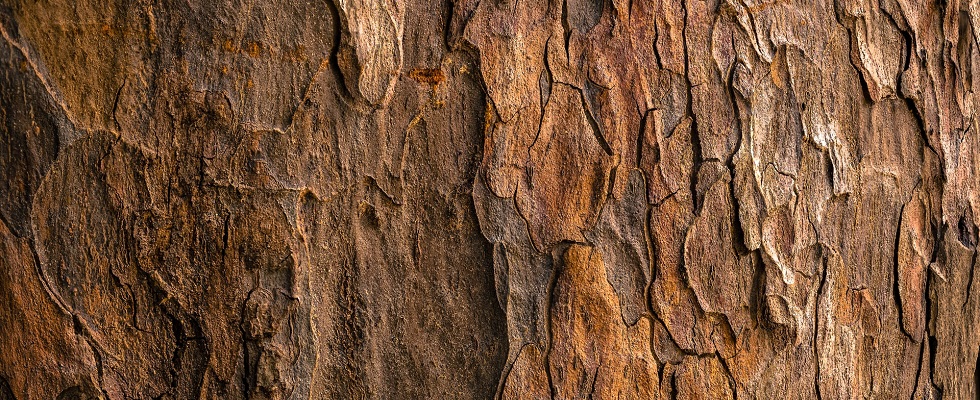
Cedar as Medicine
One of the primary ways cedarwood has been used throughout history is as a medicine. Many cultures would eat bark or berries from a cedar tree to boost their immune system and to help keep them from getting sick. Along with this, a number of cultures would use cedarwood oil as an anti-bacterial or an anti-inflammatory cure, as it was believed that cedarwood oil could help drive out infection (3).
Egyptians and Sumerians would create poultices with cedarwood that would be used to treat a wide range of ailments such as chronic pain, fever and respiratory issues. In ancient India, cedarwood would be used to treat tuberculosis (3). Ancient Indians, Greeks and Romans would also use cedarwood oil as an anti-fungus cure because it could prevent fungus spores from spreading further than they already had. Among East Asian countries such as China, Tibet and Korea, cedarwood oil was used to treat bronchitis and urogenital infections. In North America, a number of Native American cultures would brew tea from cedar branches which would be used to cure rheumatism, chest colds and the flu (2).
Cedar for Beauty
Aside from medicine, one of the main uses for cedarwood or cedarwood oil throughout history was for beauty products. Cedarwood has always been particularly valued for its aromatic scent, and some of the first perfumes in the entire world, in Sumer and Egypt, were made using cedarwood oil (3). In cultures such as Sumer, Egypt and among the Celts, using cedarwood oil as perfume was a luxury that only the most elite people could afford (1). Similarly, Greek and Roman elites would have cedarwood oil applied to their bodies on a regular basis to cover up body odour (1). Cedarwood oil is believed to have been used as a type of perfume or body scent in China, Persia and Babylonia as well (1).
Scythian women, better known as Amazons, would prepare for their baths by rubbing cedarwood oil on themselves because it would help soften their skin and make them smell good. Along with that, Amazon women would make beauty masks out of cedar, cypress and frankincense which they would use to clean their skin and retain a youthful look. In Egypt, men and women would apply cedarwood oil to their skin to protect it from drying out and keep it rejuvenated (3).
Building Cedar
In addition to being used as medicine or to make beauty products, cedar has also provided strong wood to build with throughout the ages. In the Iliad, Homer mentions that the Trojans used cedar to build structures such as storage rooms, and it is very likely that cedar was used by other Greek cities to construct their buildings as well (2). In the Old World, cedar was used by Sumerians, Phoenicians, Babylonians, Assyrians, Egyptians, Persians, Romans, Israelites and Turks to build their cities (1). The Talmud and the Bible also mention that cedar was used to build the Temple of Solomon, King Solomon's Palace and the Palace of King David (1).
On the North American continent, archaeologists have found evidence of many cultures using cedar to build structures as well. A number of native tribes in North America would use cedar to construct longhouses, sweat lodges and places to store food and water. The largest city in ancient North America, Cahokia, was built using red cedar wood (6).
Many cultures have also used cedar to build ships. Some of the earliest ships built with cedar were constructed by the Phoenicians, who used local cedar trees to make an entire fleet of merchant ships (2). Sumerians, Babylonians, Greeks, Romans and Egyptians also used cedar to construct their ships, and some of these cedar ships are the most well preserved vessels found by archaeologists (2). In North America, tribes along the Pacific Coast would use red cedar to make dugout canoes, which would provide the people with transport and a way to feed themselves by fishing (4).
During the early- to mid- 20th century, the United States had a number of ships made out of cedar. These ships were used for many years and one of them, the USLHT Cedar, served in World War I and World War II before being decommissioned.

In addition to buildings and ships, cedar has been used throughout history to build smaller objects such as furniture and musical instruments. Archaeologists have found a large range of ancient Egyptian furniture that was made out of cedar including tables, chairs and beds. The intricacy and detail of this furniture indicates that cedar was a highly prized material, and only the elite could afford cedar furniture. The Egyptians even used cedarwood to make sarcophagi, ornate coffins for the deceased (2). (11).
In Western Europe around the 17th century, cedarwood became popular for its aesthetics and ability to protect against insects. As a result, people all over Europe and the United States began using cedarwood to make drawers, dressers, closets and chests. Cedarwood chests became particularly popular because many people found them useful for storage (5). In addition, cedarwood chests took on cultural value when people started using them as dowry chests, where families would store money or valuables that were set aside for their daughters who were getting married. These chests were often referred to as hope chests and when the daughter got married she would take the chest and everything in it to her husbands' house (2). Although cedar hope chests are one of the most common examples of how cedarwood was culturally significant, there are many other ways that cedar has been socially valuable throughout history as well.

Cultural Cedar
In many societies, cedar was often incorporated into myths and rituals. Cedar has been referred to as the Timber of the Gods, the Tree of Life and Evergreen Life (2). As mentioned earlier, cultures such as the Babylonians and Native Americans would use cedarwood to construct their holy temples and sweat lodges. Among the Sumerians, cedar groves were considered to be divine and were thought to be the place where their gods dwelled. In the ancient Middle East, cedarwood was so sacred that, to this day, there is a large cedar forest in Lebanon referred to as the Cedars of God. According to ancient Sumerian texts, the first king of Sumer, Gilgamesh, fought a fierce battle with the gods to obtain cedars from this forest so he could build the first Sumerian cities. References to cedar in the Bible and the Talmud also attest to how highly revered it was by ancient societies (1). According to Biblical text, Noah gave an offering of cedarwood and myrtle incense to give thanks for surviving the Flood. (11).
Similarly, there is evidence that cedarwood incense has been used in Tibetan rituals and monasteries for thousands of years (2). In the far northern regions of Europe, Nordic cultures would use cedarwood incense, staves and wands made from cedarwood to invoke their god, Odin. Many Native American tribes also consider cedar trees to be sacred, and there are a number of Native American creation stories that talk about cedar. Some tribes also believed that cedar could be a type of spiritual guide, and could help someone find their purpose in life. Other tribes believed that the spirits of their ancestors lived in cedar trees, and it was forbidden to cut down a cedar tree. Native Americans would burn pieces of cedar to purify homes and drive away evil spirits, even to the point that they would carry pieces of cedarwood in their medicine bags to protect them from evil spirits. Some tribes would also use cedar to make small protective charms and large sacred totems (4).
Some ancient North American tribes would use cedarwood to make weapons and tools. Archaeologists have found bows, arrows and spears made of cedarwood as well as grilling planks which were used to cook food (4). Along with this, cedarwood provided excellent material which could be woven into baskets, mats, ropes, hats and clothes (4). In some regions of the United States, Native Americans would use poles made of cedar to mark boundaries between one tribe and another (4).
In many of these cultures, cedarwood oil was highly revered. Nordic cultures believed cedarwood oil could help you find wisdom, strength and willpower in difficult situations. Native American cultures would rub cedarwood oil on themselves to release bad energy and purify themselves. Cedarwood oil was used by a number of ancient cultures, such as the Celtics and Scythians, to purify their dead before they buried them (2).
Cedarwood for Trade and Market
Along with religious aspects, cedar was also economically valuable in many cultures for trade. Because products derived from cedarwood could be used for a number of different uses, different societies would use it to boost their economy by incorporating it into their trade networks. In Phoenicia, cedar was used to construct the world's first merchant ships. This would help make the Phoenicians the first people to have a long-distance trade network. Because cedarwood was light but durable, the Phoenicians were able to travel hundreds of miles in short periods of time. In addition to enabling them to trade, cedar was also used as a trade commodity, trading it with the Egyptians, Sumerians, Assyrians and Babylonians for a variety of goods.
It is believed that cedarwood may have been traded in North America as well, particularly among groups living along the Pacific Coast or large settlements like Cahokia (6). In more recent history, cedarwood became more significant to the American economy, starting from the 18th century all the way up to the present. During the 18th century, a number of ambitious entrepreneurs responded to the demand for cedarwood furniture by developing cedarwood farms, where they would grow cedar trees and harvest the wood over time to sell to craftsmen. Although the cedar-based industry has expanded in recent years to include cedarwood oil, cedar farms are still popular in today's society (2).

In addition to religion and trade, the third societal use that cultures in the past had for cedar was for ornamental purposes. The Babylonians and Egyptians valued cedar trees for their look and function, and cedar trees were often included in the gardens of the rich and powerful (2). In ancient Japan and China, nobles and royals also considered cedar trees to be aesthetically pleasing, so they were often incorporated into their private gardens (2). Between the 17th and 19th centuries, cedar trees became extremely popular in Western Europe, particularly in the United Kingdom. As a result, cedar trees were incorporated into public parks and private gardens throughout the country (3). Cedar has been valued by a number of societies throughout history, for reasons both sacred and mundane.
Cedar in Life
Along with being used for medicine, beauty products and cultural purposes, people have used cedarwood for a range of practical functions as well. Oil derived from cedarwood was used by the Sumerians as a base for paint. The Sumerians would use different natural materials to make different colour paint, such as cobalt for blue and copper for green, and then add cedarwood oil to the mix to act as an adhesive (2). Without cedarwood oil, the paint would not stick to any surface and would’ve easily worn away over time.

The Egyptians also used cedarwood oil to help embalm people after death. According to ancient Egyptian texts, they were able to mix the cedarwood oil with alkali and use it to preserve bodies for burial without having to remove the organs (2). Cedarwood oil has also been used in many countries as insecticide. Because cedarwood oil is not harmful to the human body, it is believed that people would rub it on themselves as well as plants or items that they wanted to protect from insects (3).
In India, cedarwood oil has been used to preserve spices and them from being damaged by fungus (2). More recently, cedar was used by British troops during World War I to construct railroads so trains could transport troops and supplies to different parts of Europe (1). Cedar has also been used in the New World.
Uses for Cedarwood at Young Living
At Young Living, Cedarwood essential oil’s woodsy, warm, balsamic aroma creates a relaxing, calming and comforting atmosphere when you diffuse it. Some other uses for cedarwood include:
- Helping support a relaxing night-time routine
- Cleansing and moisturising properties make a great addition to your favourite skin care products.
- Helping maintain the appearance of healthy, youthful skin
- Massaging Cedarwood oil into your scalp to enhance the appearance of healthy-looking hair.

Whether you use cedarwood for your skin or to build your dining room table, we hope you find a use for this special plant in your own life.
Shop Cedarwood Oil- Chaudi, S. K. and Jain, N K. 2009. History of Cosmetics. Asian Journal of Pharmaceuticals
- Stone, Caroline. 2015. The Art of the Dowry Chest. . "
- Turner, Tom. 2004. Garden History Reference Encyclopedia.
- Rogers, J. (2016, January 28). The History of Western Red Cedar Products.
- Hepper, F Nigel. 2012. The Cultivation of the Cedar of Lebanon in the Western European Parks and Gardens from the 17th to the 19th Century. Arboricultural Journal
- Seppa, N. (1997, March 12). Metropolitan Life on the Mississippi. The Washington Post.
.png)
.png)
