
South America Farms
Finca Botanica Farm and Distillery
Chongon (Guayaquil), Ecuador
Products Sourced From This Farm
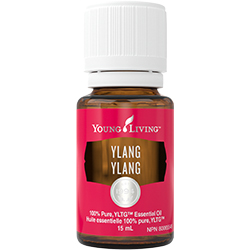
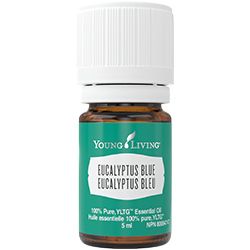
The start of Finca Botanical Farm and Distillery
Building the Finca Botanica Farm and its state-of-the-art distillery started as one of Young Living Founder D. Gary Young’s passion projects. Gary visited Ecuador in 2005 to give a presentation about essential oils at a university. While there, he found himself inspired by the lush landscape and started looking for land where he could start a farm. He loved the variety of aromatic plants Ecuador had to offer and that its warm climate would allow for harvesting all year long. After researching, he settled on around 2,000 acres in Chongon, where he founded the Finca Botanica Farm and Distillery.
Today, Chongon’s tropical climate helps nurture year-round growing seasons and lush plant life, which includes an abundance of palo santo trees, a vast plantation of ylang ylang trees, and a wide array of local plants and herbs, including dorado azul, mastrante, Ecuadorian oregano, and Incan melissa.
Today, Chongon’s tropical climate helps nurture year-round growing seasons and lush plant life, which includes an abundance of palo santo trees, a vast plantation of ylang ylang trees, and a wide array of local plants and herbs, including dorado azul, mastrante, Ecuadorian oregano, and Incan melissa.
Seed to Seal® quality commitment
Workers at Finca Botanica use gas chromatography to analyze every batch of oil the farm produces, as well as gas chromatography-mass spectrometry to analyze new Young Living-exclusive essential oils. With lab records going all the way back to when the laboratory was established in 2010, the crew can monitor even the subtlest change in constituents from season to season.
The Finca Botanica Farm and Distillery has continued Gary Young’s work of discovering and distilling new aromatic plants throughout one of the most biodiverse regions of the world.
The Finca Botanica Farm and Distillery has continued Gary Young’s work of discovering and distilling new aromatic plants throughout one of the most biodiverse regions of the world.
Oil highlight
Called “blue gum,” the eucalyptus blue tree has been crossbred for more than 250 years in the wilds of the Andean mountains in Ecuador and is a cross between Eucalyptus citriodora and Eucalyptus globulus.
Ylang ylang trees grown at Finca Botanica can grow more than 15 meters (nearly 50 feet) tall. Farm workers prune the trees to make the harvest easier and to channel the plant’s energy to produce the fragrant flowers used to obtain Ylang Ylang essential oil.
Ylang ylang trees grown at Finca Botanica can grow more than 15 meters (nearly 50 feet) tall. Farm workers prune the trees to make the harvest easier and to channel the plant’s energy to produce the fragrant flowers used to obtain Ylang Ylang essential oil.
Our focus on conservation
From the start, our Finca Botanica Farm has embraced Gary Young’s mission of conservation. Our ylang ylang crops are adorned with majestic Ceibo trees, which were here long before urban expansion. Because Gary loved these trees, he ensured they remained on our farm, where they continue to benefit the land and its wildlife.
At the Finca Botanica Farm, we’re always striving to give back to nature for nurturing our crops. Our conservation projects aim to safeguard the species surrounding the farm and its threatened and fragmented tropical dry forest. These projects include the orchidarium, the wildlife camera trap monitoring, the ecological corridors, the Dry Forest Reforestation Project, our Native Pollinator Project, and the Palo Santo Reforestation Project.
The orchidarium, initially a home for beautiful Ecuadorian orchids, now shelters native endemic orchids rescued from nearby forest clearings. Through propagation efforts and in-vitro reproduction, we strive to increase their survival rates and reintroduce them into protected forests.
Wildlife camera trap monitoring helps us understand the movement patterns of native species on our farm, allowing us to create safe corridors for their transit. We have a “no hunting or harming wildlife” policy and encourage the Finca Botanica team to report troubled wildlife or relocate them elsewhere. We are always willing to provide shelter to animals with whom we coexist and have multiple bird nests set around the farm for this purpose.
The Finca welcomes birdwatchers, as it has its own bird database with labels and QR codes of registered species and where they are seen on the farm. This project has helped us to further identify threatened species and figure out ways to protect them. An example of this is the almost-endemic bird known as the Trogon ecuatoriano, which is only found in the coast of Ecuador and north of Peru.
There is currently an accelerated urban expansion in lands surrounding our Ecuador farm. By creating ecological corridors, we connect our farm to the surrounding dry forest, preventing habitat fragmentation and allowing wildlife to be able to move and thrive as they need.
These corridors are directly linked to our ongoing wildlife monitoring and
Dry Forest Reforestation Project, which restores the area with native trees to benefit existing wildlife and ecological processes. Our conservation efforts ensure a safe haven for native endangered species like the Pijío tree to thrive without any danger for the rest of their lives.
Our Native Pollinator Project encourages native birds and insects to pollinate the dry forest by planting native flowers and setting up Morpho feeding stations. Additionally, our meliponarium project protects native bees, including lesser-known species like stingless bees, which are crucial for pollination.
The Palo Santo Reforestation Project focuses on replenishing Palo Santo trees in their natural habitat through seed harvesting and greenhouse cultivation. Here on the farm, we also have our own Palo Santo forest, which merges with protected ecological corridors and provides a home to native species. We planted 700 trees on our Palo Santo forest in Loja in 2023, and we have more than 2,000 saplings in our greenhouse at Finca waiting to be transferred and planted during service trips and other conservation projects.
Our team actively participates in conservation events, beach cleanups, plantings, and workshops, fostering environmental awareness not only at their workplace, but in their daily lives. As a team, we are continuously searching for ways we can support and protect the species that we coexist with.
As part of our regenerative agricultural practices, we use earthworm casting beds to break down dead plant matter into natural fertilizer for our crops. We also use cover crops across our ylang ylang fields to aid in soil health and nitrogen fixation, and we are certified organic since 2023.
At the Finca Botanica Farm, we’re always striving to give back to nature for nurturing our crops. Our conservation projects aim to safeguard the species surrounding the farm and its threatened and fragmented tropical dry forest. These projects include the orchidarium, the wildlife camera trap monitoring, the ecological corridors, the Dry Forest Reforestation Project, our Native Pollinator Project, and the Palo Santo Reforestation Project.
The orchidarium, initially a home for beautiful Ecuadorian orchids, now shelters native endemic orchids rescued from nearby forest clearings. Through propagation efforts and in-vitro reproduction, we strive to increase their survival rates and reintroduce them into protected forests.
Wildlife camera trap monitoring helps us understand the movement patterns of native species on our farm, allowing us to create safe corridors for their transit. We have a “no hunting or harming wildlife” policy and encourage the Finca Botanica team to report troubled wildlife or relocate them elsewhere. We are always willing to provide shelter to animals with whom we coexist and have multiple bird nests set around the farm for this purpose.
The Finca welcomes birdwatchers, as it has its own bird database with labels and QR codes of registered species and where they are seen on the farm. This project has helped us to further identify threatened species and figure out ways to protect them. An example of this is the almost-endemic bird known as the Trogon ecuatoriano, which is only found in the coast of Ecuador and north of Peru.
There is currently an accelerated urban expansion in lands surrounding our Ecuador farm. By creating ecological corridors, we connect our farm to the surrounding dry forest, preventing habitat fragmentation and allowing wildlife to be able to move and thrive as they need.
These corridors are directly linked to our ongoing wildlife monitoring and
Dry Forest Reforestation Project, which restores the area with native trees to benefit existing wildlife and ecological processes. Our conservation efforts ensure a safe haven for native endangered species like the Pijío tree to thrive without any danger for the rest of their lives.
Our Native Pollinator Project encourages native birds and insects to pollinate the dry forest by planting native flowers and setting up Morpho feeding stations. Additionally, our meliponarium project protects native bees, including lesser-known species like stingless bees, which are crucial for pollination.
The Palo Santo Reforestation Project focuses on replenishing Palo Santo trees in their natural habitat through seed harvesting and greenhouse cultivation. Here on the farm, we also have our own Palo Santo forest, which merges with protected ecological corridors and provides a home to native species. We planted 700 trees on our Palo Santo forest in Loja in 2023, and we have more than 2,000 saplings in our greenhouse at Finca waiting to be transferred and planted during service trips and other conservation projects.
Our team actively participates in conservation events, beach cleanups, plantings, and workshops, fostering environmental awareness not only at their workplace, but in their daily lives. As a team, we are continuously searching for ways we can support and protect the species that we coexist with.
As part of our regenerative agricultural practices, we use earthworm casting beds to break down dead plant matter into natural fertilizer for our crops. We also use cover crops across our ylang ylang fields to aid in soil health and nitrogen fixation, and we are certified organic since 2023.
Did you know?

Big trees called ceibos intersperse the crops on the farm. Gary found them there while he was working at the farm and respectfully decided to keep them, understanding his role in the conservation of the natural vegetation.

At the entrance to this farm, Gary found palo santo trees, which he transplanted to the area that would later become the palo santo forest. He, Mary, and their children used to visit the forest to reflect on the feeling of peace they found in the surroundings.
"On Thanksgiving Day 2006, Gary purchased the land at the edge of Chongon, Ecuador, that would be transformed into the beautiful farm we now call Finca Botanica. The lush fields of crops we see today tell of a remarkable time and project that probably no other man in the world would have undertaken; but the dream was vivid, his determination unstoppable, and the constant discovery of new plants filled Gary's head with unending ideas."
–Mary Young, Young Living Co-Founder and CEO
Book your farm experience
Plan your next adventure at one of our many farm locations and experience the source of our authentic essential oils firsthand.
Join UsYoung Living events
Exciting things are always happening at Young Living! Browse our Farm Events page to see all of the unique experiences we have to offer.
See Farm Events