Emotion Self Care
Emotional self-care is taking time each day to identify what emotions you are feeling, honoring those feelings and moving forward in way that helps you succeed.
Benefits of Emotional Self-care
Attention to this area allows us to safely experience our full range of emotions .
-
Be kind to yourself when things are going poorly and treat yourself like you are someone that you care about.
-
Learning techniques to allow for and let go of emotions that do not serve you brings feelings of inner peace, empowerment, and confidence.
-
Helps us understand ourselves more and aids in helping us cope with challenges. When we are aware of our emotional needs, we cultivate a greater sense of compassion, kindness and love for ourselves and others
Be kind, for everyone you meet is fighting a hard battle.
Plato

But why are we so harsh on ourselves?
Think about a child learning a new skill like walking or reading or riding a bike; they work so hard to accomplish that skill and there is someone there cheering them on and making them feel proud of themselves.
It is time to treat yourself like someone you actually care about. Cheer for every little accomplishment you made that day. Be proud of all that you do.
Be Kind to Yourself
It is difficult to erase years of negative self talk and self-bullying and will take daily practice and awareness to really begin to see the times when you are too hard on yourself. Here a few tips and tricks to work on towards treating yourself like someone you care about.
-
Put yourself first. Try to spend atleast 10 minutes alone caring for yourself, this can be as simple as washing your face, going for an evening walk, or stretching your body. It is okay to say “no” to somethings that don’t serve you so you can say “yes” to caring for yourself.
-
Write a love letter to yourself. Sit down and take the time to show gratitude towards all the wonderful traits you have and all the dreams and beautiful things you hope to accomplish one day.
-
Watch your words. Listen to the way you talk about yourself and watch for words or phrases that you use to tear yourself down. Things like, “I’m not smart enough get that position” and change the way you talk to yourself to, “I may not have the skillset required YET, but I will continue to work hard towards my goals.”
-
Ask questions and ask for help when needed. “What do I need right now?” or “What would I tell a friend in this same situation AND how would I phrase it?” It is okay to ask for help when you need it. Show compassion to yourself and others.
-
Forgive yourself and keep trying. If you find that you can not get out of the spiral of negative self-talk. Take a deep breath and forgive yourself and keep trying to be kind to yourself. It will take some practice but the more you work the easier it will become to treat yourself like someone you care about.
Emotional self care should include emotional awareness and cultivating gratitude.
Take time each day to acknowledge what you feel without judgement. Allowing feelings to flow freely prevents them to become blocks in your journey.
Feelings of gratitude directly activate brain regions associated with the neurotransmitter dopamine. Dopamine is known as the “feel-good hormone” and is associated with feelings of bliss, euphoria, motivation, and concentration.
Gratitude
Gratitude can have such a powerful impact on your life because it engages your brain in a cycle. Your brain only has so much power to focus its attention. It cannot easily focus on both positive and negative stimuli. It is like a small child: easily distracted.
On top of that your brain loves to fall for the confirmation bias, that is it looks for things that prove what it already believes to be true. And the dopamine reinforces that as well. So once you start seeing things to be grateful for, your brain starts looking for more things to be grateful for. That’s how the cycle gets created.
Read more about the benefits of cultivating gratitude by clicking on the tabs below!
Feelings of gratitude directly activate brain regions associated with the neurotransmitter called Dopamine.
Dopamine is considered the “feel good hormone” and is associated with feelings of bliss, euphoria, motivation and concentration.

The brain is constantly looking to prove what it already believes to be true. Its belief system is created by what its owner is regularly thinking about and focusing on. When you shift your focus to something that you are grateful for, there is a release of dopamine into your brain and therefore reinforces a positive cycle.
When you choose to focus on the positive, your brain will then look for proves of that goodness, which will release dopamine, and it will make you feel good. Then a positive cycle will be created. Once you start looking for things to be grateful for, your brain will look for more things to be grateful for!

21-day gratitude challenge:
For the next 21 days, find time each day to write down 10 things you’re grateful for that day. Post them on a mirror or somewhere else where you’ll see them each day. By the end of the challenge, you’ll see over 200 things you’re grateful for.

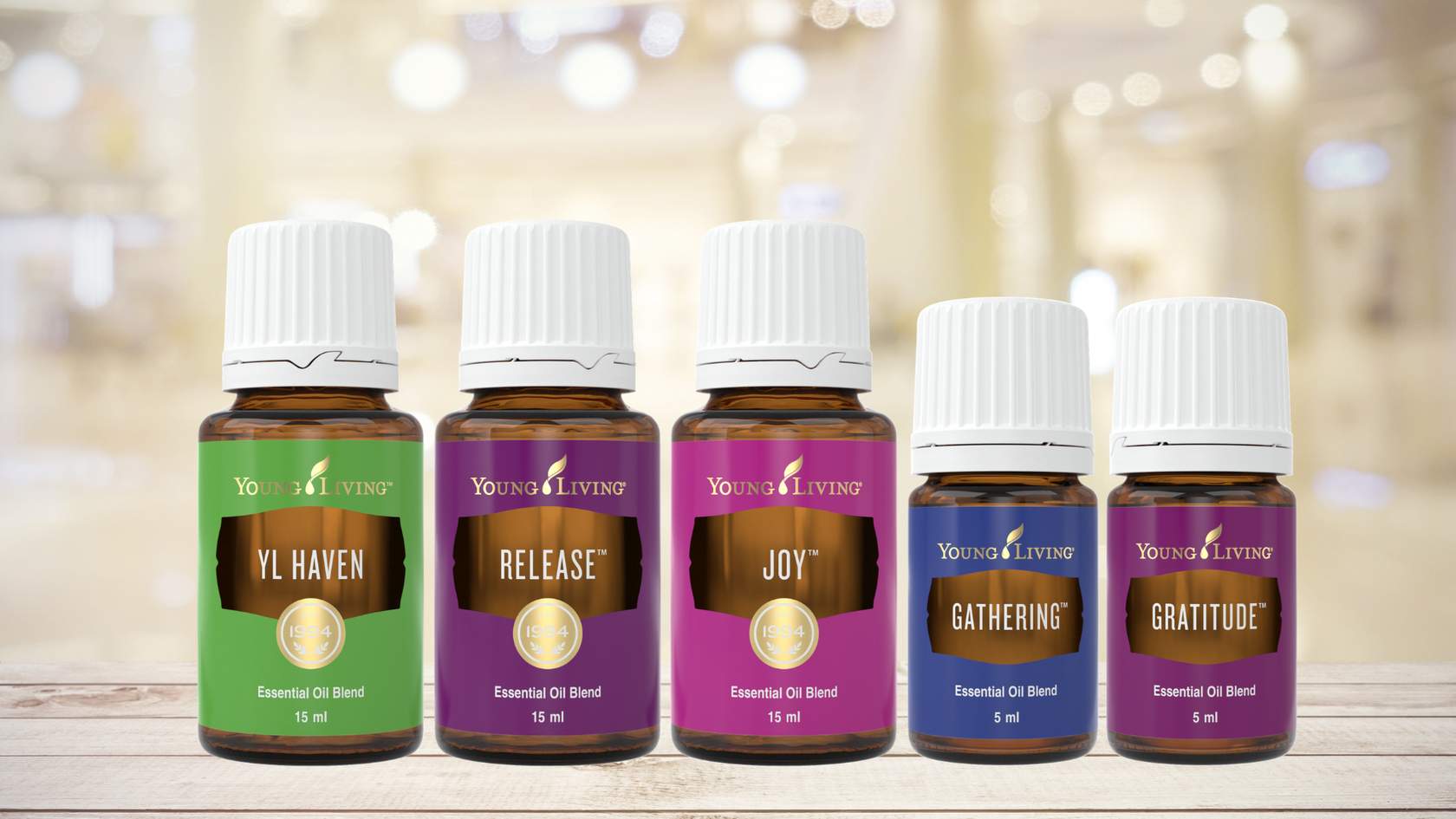
Click the + signs below to learn more about products that can support you during your gratitude challenge.