Constituents And The Skin
Essential oils contain hundreds of small molecules called constituents.
It is these components that interact with the body once they come in contact.
Let’s learn more about the interaction between constituents and the body.

The Skin
The condition of the skin has a big impact in the way substances are absorbed. For example younger and more mature skin are more prone to absorption because they are thinner in nature.
The condition of the skin has a big impact in the way substances are absorbed. For example younger and more mature skin are more prone to absorption because they are thinner in nature.
How Does The Skin Absorb Molecules?
The skin absorbs substances through penetration and permeation.
PUSHING
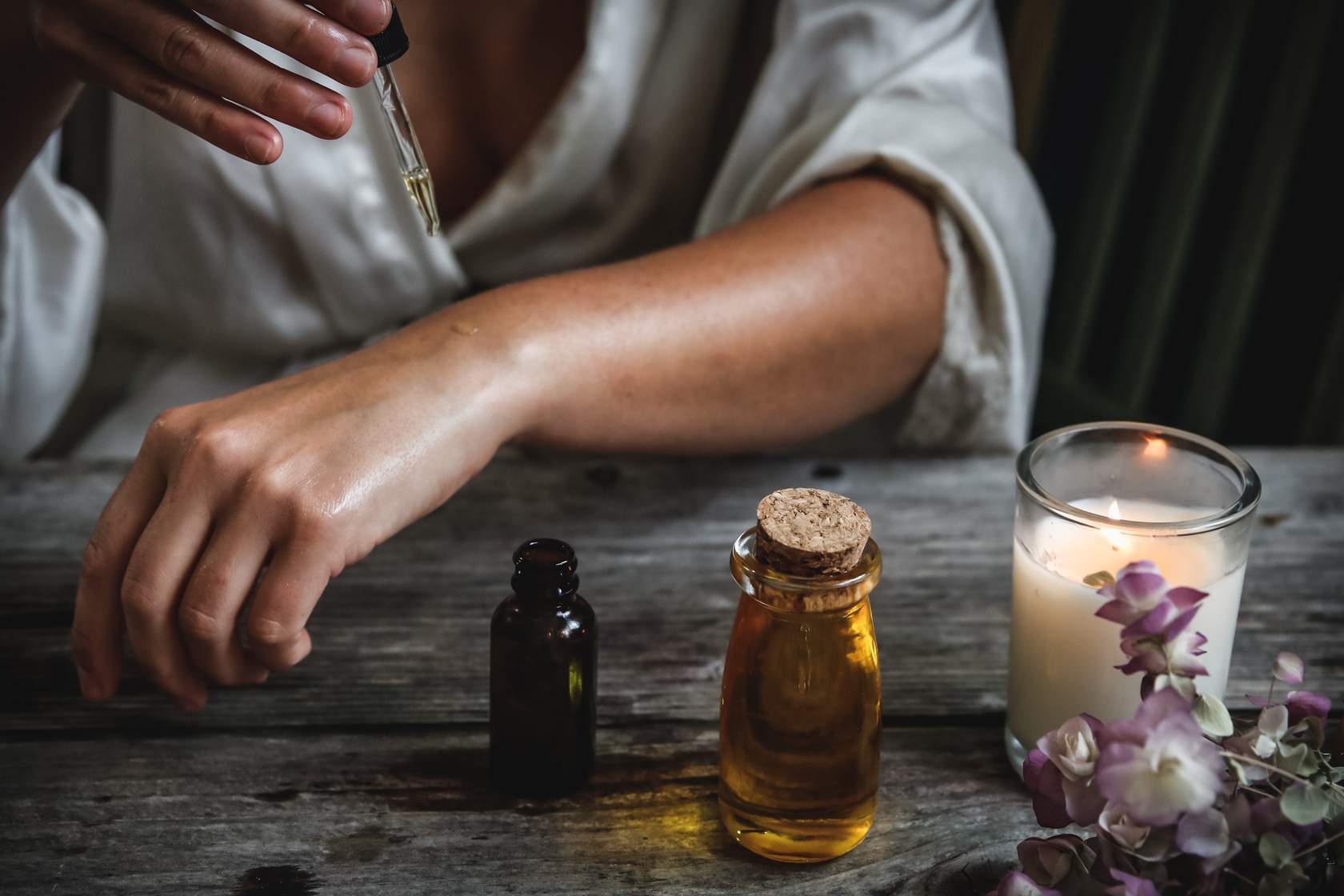
Penetration happens when molecules enter in and through the skin.
PULLING
Permeation happens when the substance is absorbed into the body.
Molecules that are fat/lipid soluble gain quick access to lipid-rich areas of the body, such as the skin. This is because fatty substances bind to, or mix well with, fat.
Furthermore, when small molecules that are fat soluble touch the skin, they can travel internally and even cross the blood-brain barrier (BBB).
The BBB contains capillary endothelial cells and astrocytes that prevent many substances present in the blood to access the brain.**
**Tisserand & Young 2013
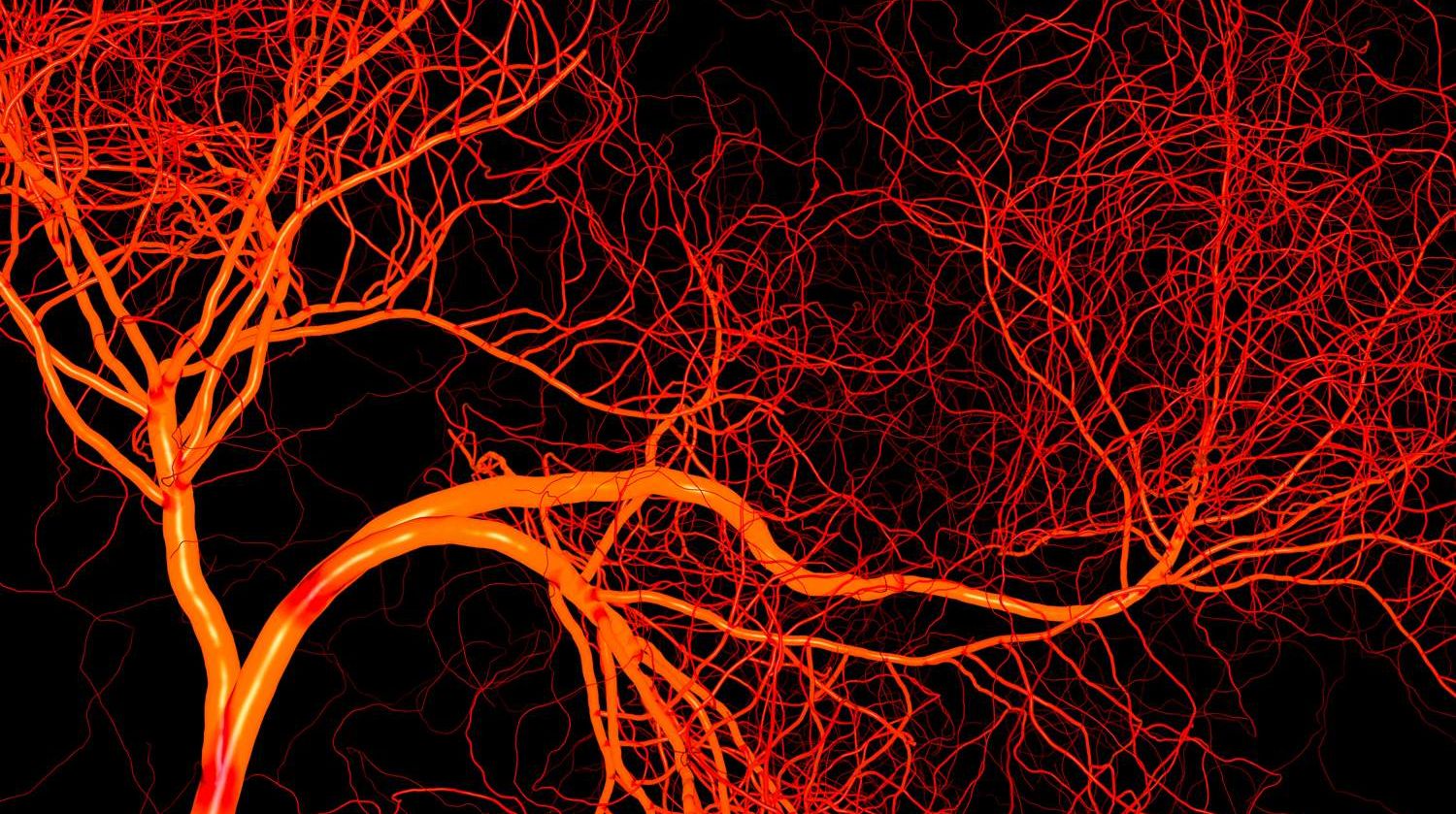
Substances travel through the body because they access capillary blood vessels.
When blood vessels are dilated, the body will absorb more of the constituents in a substance.
For example, friction, caused by stroking or massage, encourages dilation of blood vessels in the dermis and can increase the absorption of substances and their components.
The opposite is true when blood vessels are constricted, and things such as cold and stress can affect the rate at which the skin will absorb substances.
Topical absorption can be enhanced by covering the skin. A study showed that topical absorption of linalool increased x3 when the skin was occluded. This makes sense because covering the skin increases temperature, and avoids a substance from evaporating as well as protect hydration.**
**Lapczynski et al 2008