
Fuels to Nourish
You are what you eat.
There are multiple types of nutrients to fuel and support the body daily functions. Getting to know the nutrients gives a better perspective of how important a balanced meal plays in supporting our well being.
Macronutrients
These are the nutrients that our body needs daily in large amounts to support energy and to maintain the body’s structure and systems..
-
Provide body’s main source of energy
-
Exist in three form: sugar, starch and fiber.
Healthy Source: Complex Carbohydrate
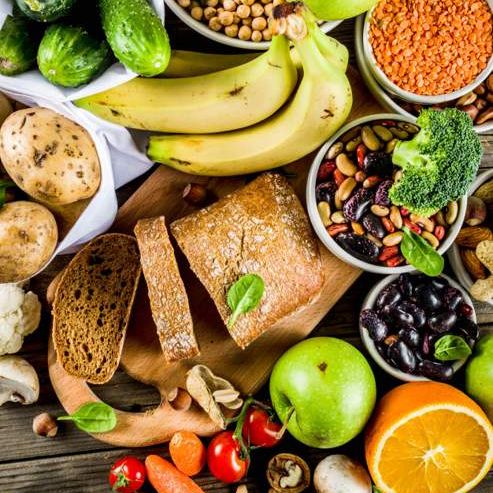
Unprocessed or minimally processed whole grains, vegetables, fruits and beans
Unhealthy Source: Refined Carbohydrates
Refined or processed food, bread, pastries, noodles
-
Provides energy and supports mood and cognitive function.
-
Vital nutrient for building, maintaining, and repairing tissues, cells, and organs
-
Found in muscle, bone, skin, hair, and virtually every body part
-
Synthesize enzymes and hemoglobin
Healthy Sources: Fresh and unprocessed protein
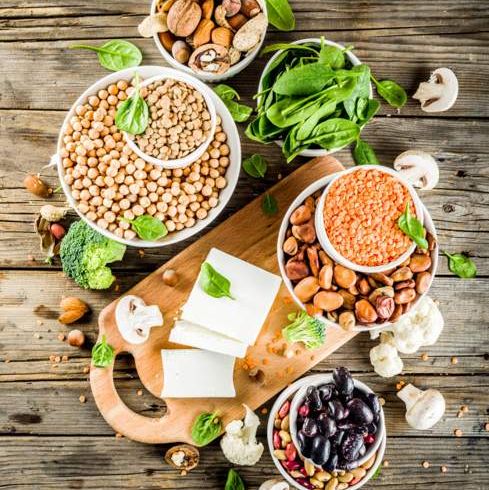
Fish, poultry, nuts & seeds, beans, seafood, egg
Unhealthy Source: Processed and preserved meat
Nuggets, sausages, ham, salted egg
“Good” Fats – Monounsaturated and Polyunsaturated fats
-
Improve blood cholesterol, ease inflammation, stabilize heart rhythm
-
Monounsaturated Fats: Olive, peanut, canola oil, avocados, almonds, hazelnuts, pecans, pumpkin seeds, sesame seeds
-
Polyunsaturated Fats: Sunflower, corn, soybean and flaxseed oil, walnuts, flaxseeds, fish
“Bad” Fats – Trans fats
-
Increase disease risk, even in small quantities.
-
Processed foods, hydrogenated oil (margarine, vegetable spread), fried food
Saturated Fats
-
Best consumed in moderation.
-
Red meat, butter, cheese, and ice cream, coconut oil and palm oil

Micronutrients
These are nutrients needed in very small amounts yet they’re critical for several important functions in your body and must be consumed from food. They enable the body to produce enzymes, hormones and other substances needed for normal growth and development.
Deficiency in any of these micronutrients can cause severe and even life-threatening conditions in some condition.
-
Essential for normal metabolism, growth and development, and regulation of cell function
-
Not synthesized by body, and must be derived from food (except Vitamin B3, D, K)
Water soluble: B & C
Excreted in urine when in excess
Fat-soluble: A, D, E, K
Stored in fatty tissues when in excess

-
Not synthesized by body, and must be consumed from food
-
Body requires a number of minerals in order to maintain its proper functioning.
-
Building blood, bone, and hormones, regulating heartbeat
Macrominerals: needed in more amounts
*calcium, phosphorus, magnesium, sodium, potassium, chloride, and sulfur.
Microminerals (trace minerals): co-factors, needed in trace quantities
*iron, manganese, copper, iodine, zinc, cobalt, fluoride, and selenium

-
“Phyto” refers to the Greek word for plant.
-
Important bioactive phytonutrients
-
Play specific pharmacological effects in human health
- Anti-microbial, anti-oxidants, anti-inflammatory, antiallergic, anti-spasmodic, anti-cancer, anti-aging, hepatoprotective, hypolipidemic, neuroprotective, carminative.
-
Carotenoids, lutein, flavonoids, indoles, isoflavones, lignans, organosulfures, polyphenols, terpenoids, resveratrol, limonoids, phytoestrogens, phytosterols, anthocyanins