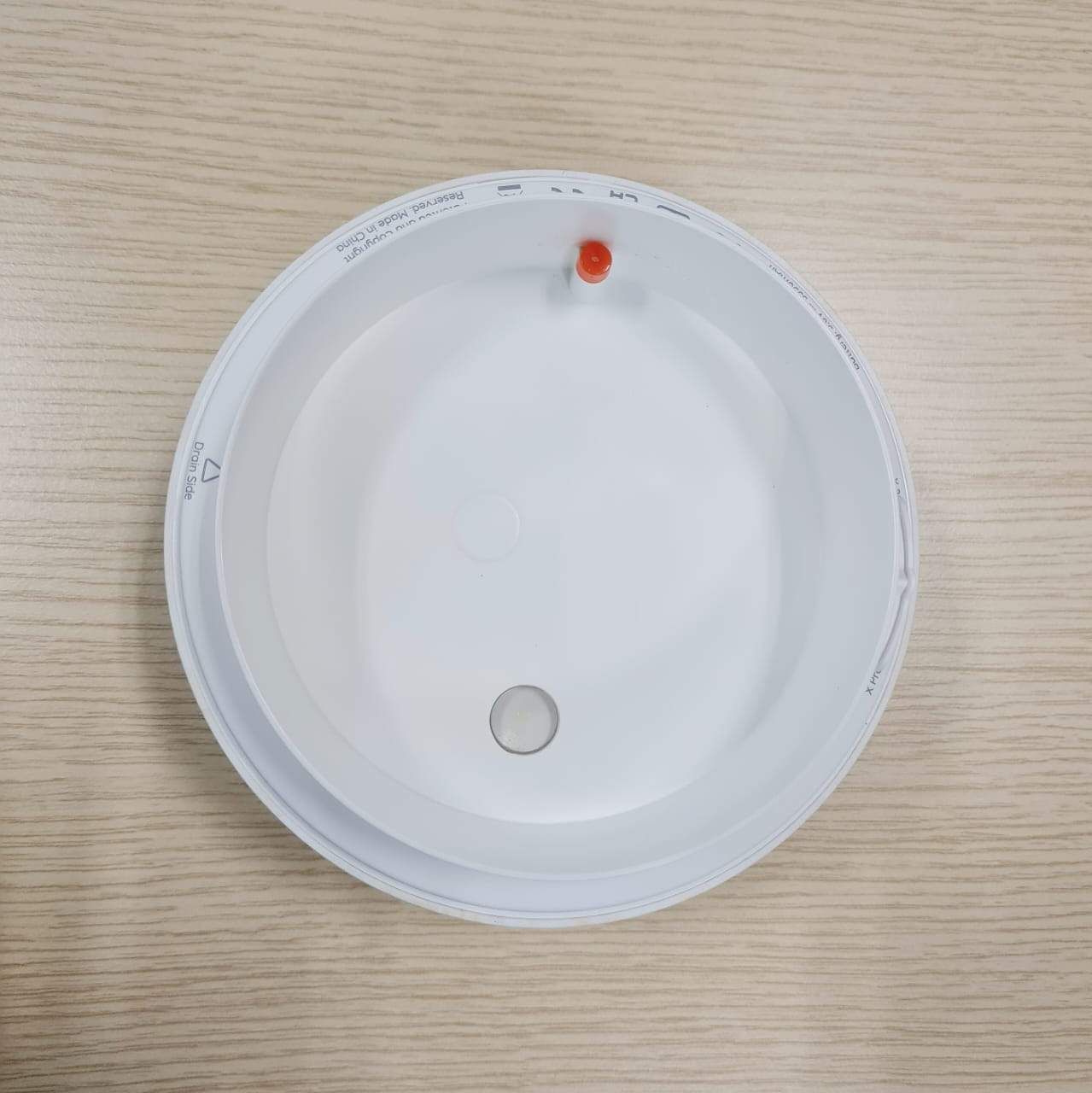
What type of water can I use? How much of water should you use? How many drops of essential oil should you put? How long should you diffuse each time?
Relax! We got you! Here are some easy and handy guides for you to start with.
Use Tap or Distilled Water
Follow each diffuser’s waterline and do not exceed the recommended waterline.
For toddler’s room: 2-4drops
For children’s room: 4-6drops
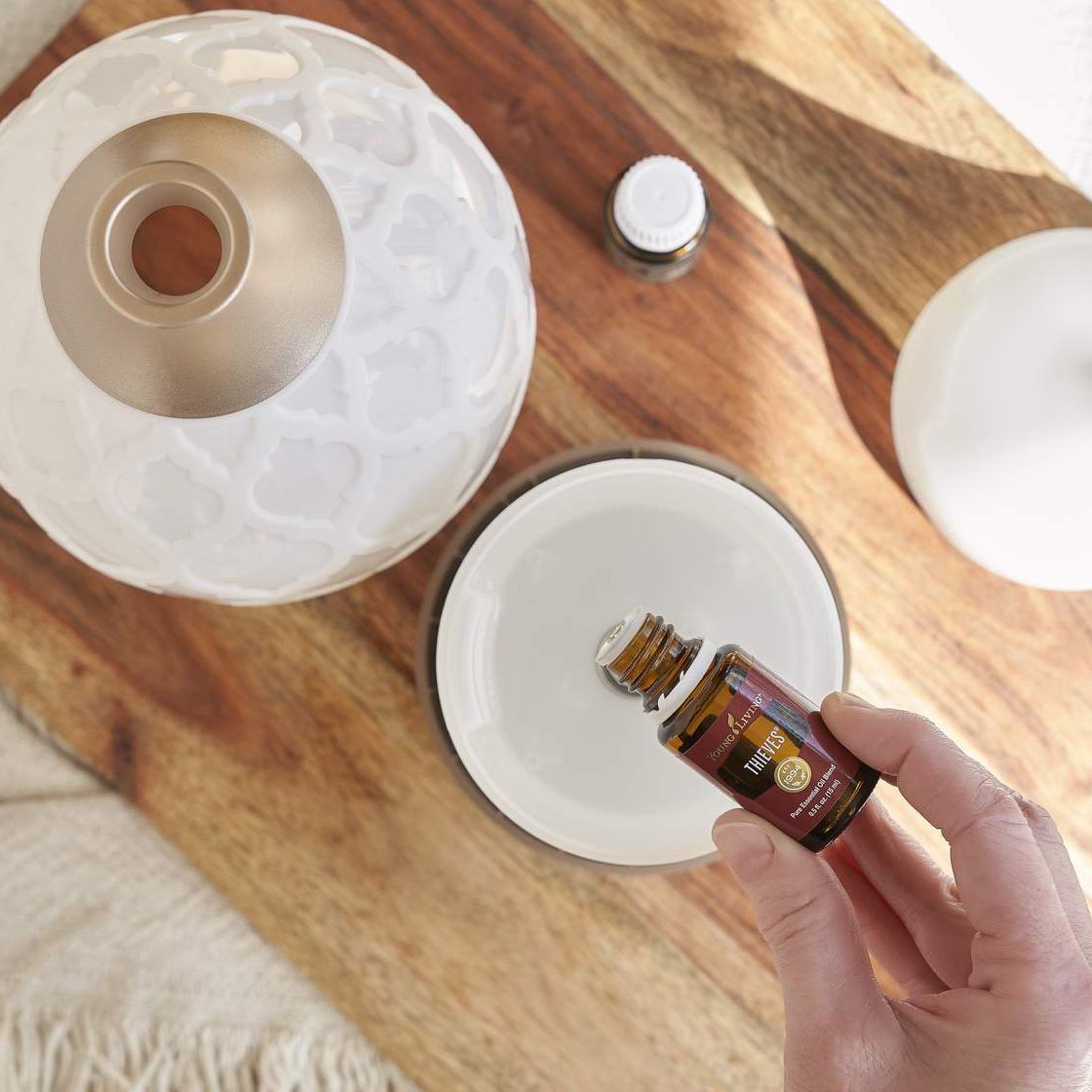
For standard room space: 6-8drops
For dining or living space: 8-10drops
Follow the usage instruction on the essential oil label
DID YOU KNOW
Taking care of your diffuser can keep your diffuser working fine for a longer period of time?
Let’s start with Cleaning.
How frequent should you clean you diffuser? It is recommended to drain the remaining water in the water reservoir after every use, and clean the diffuser once a week to prevent extra build-up on the ultrasonic plate.
Here are some cleaning tips to keep your lovely diffuser functioning at it’s best at all time.
Turn off and unplug your diffuser.
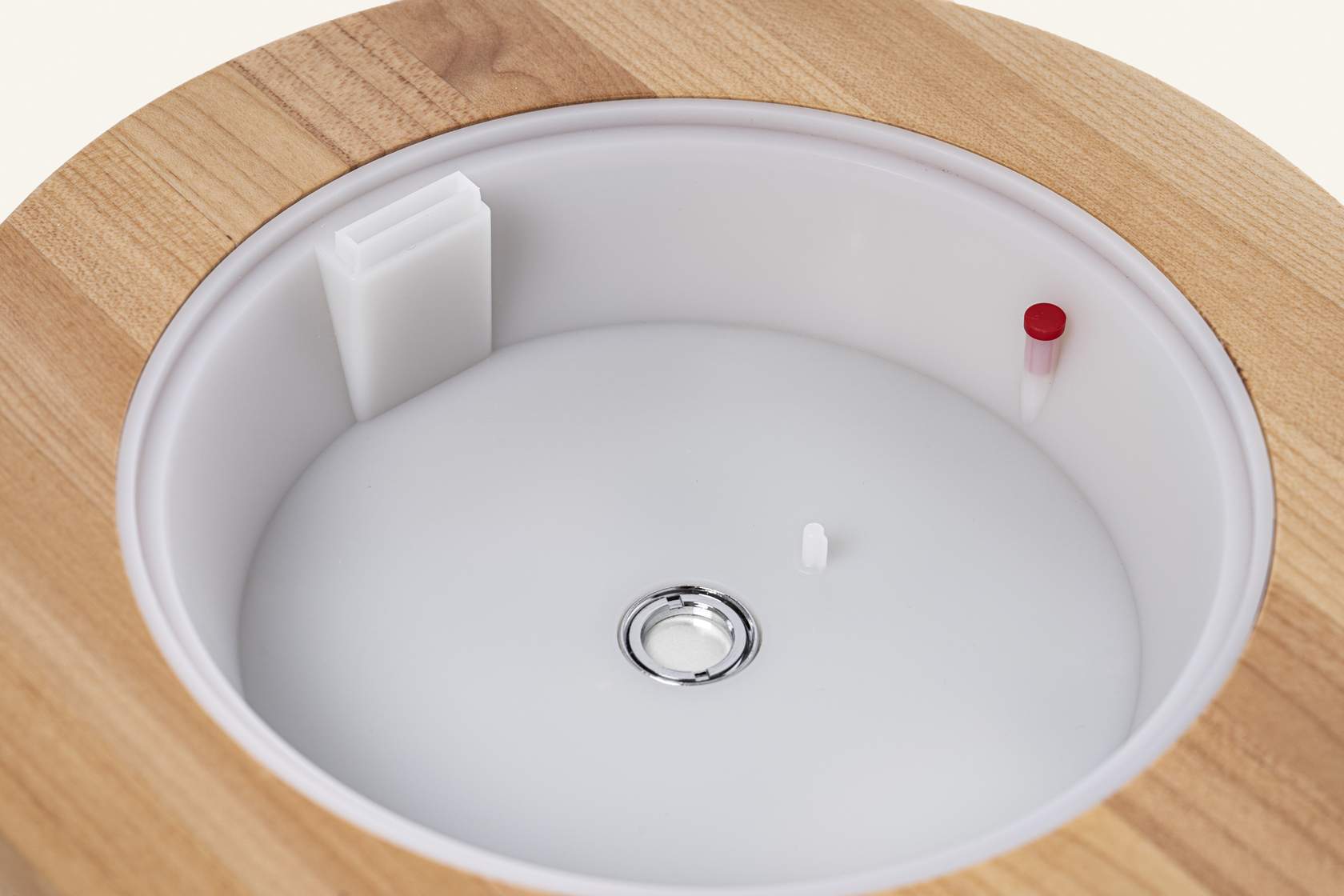
Wipe out the reservoir with a wet cotton cloth.
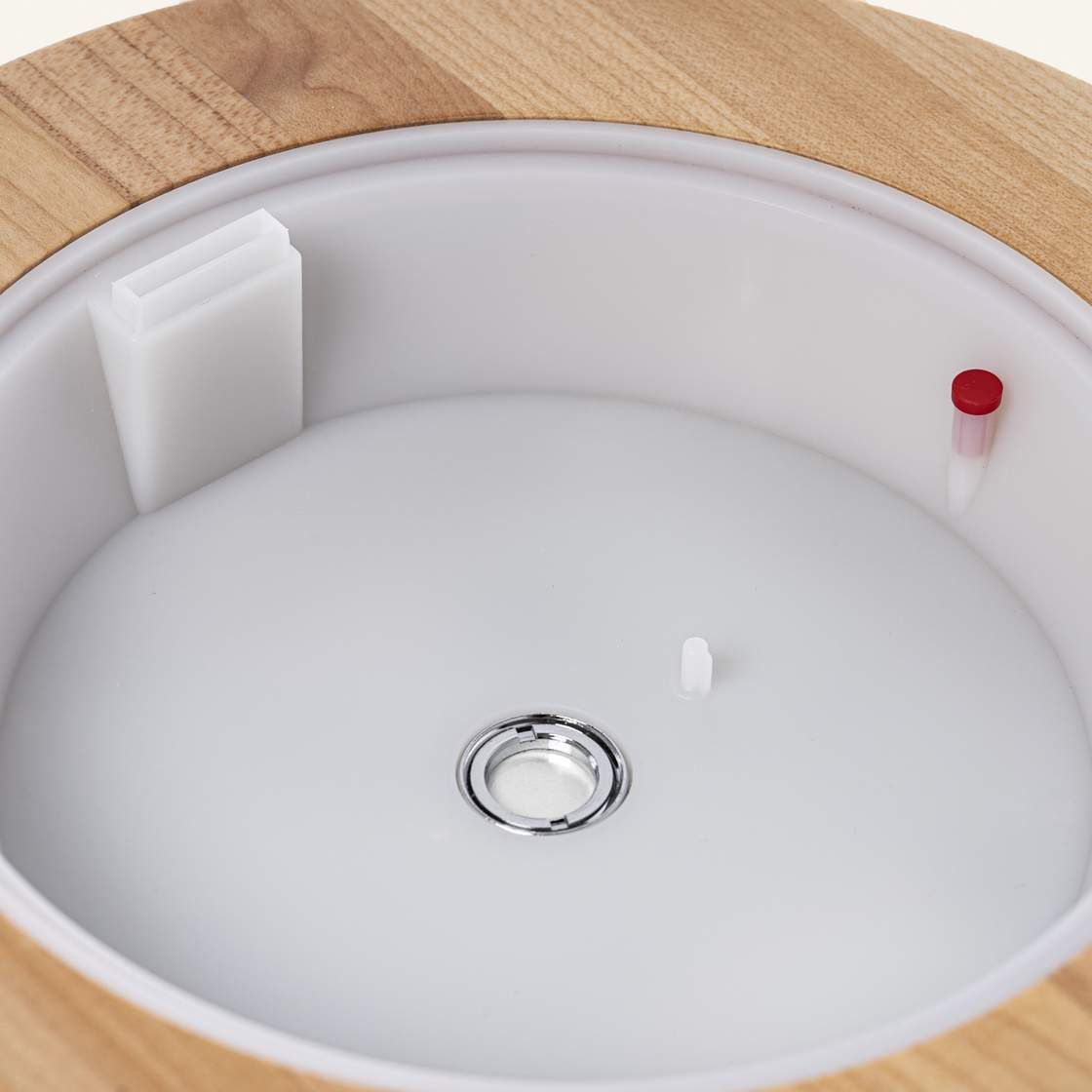
Dip a cotton swab in rubbing alcohol and clean the ultrasonic plate to remove any extra build-up.
Rinse the reservoir with water; then wipe it clean and dry up excess water with a soft cloth.
Add water and essential oils; then diffuse away!
When not in use, turn off the power supply, clean the diffuser and store dry.
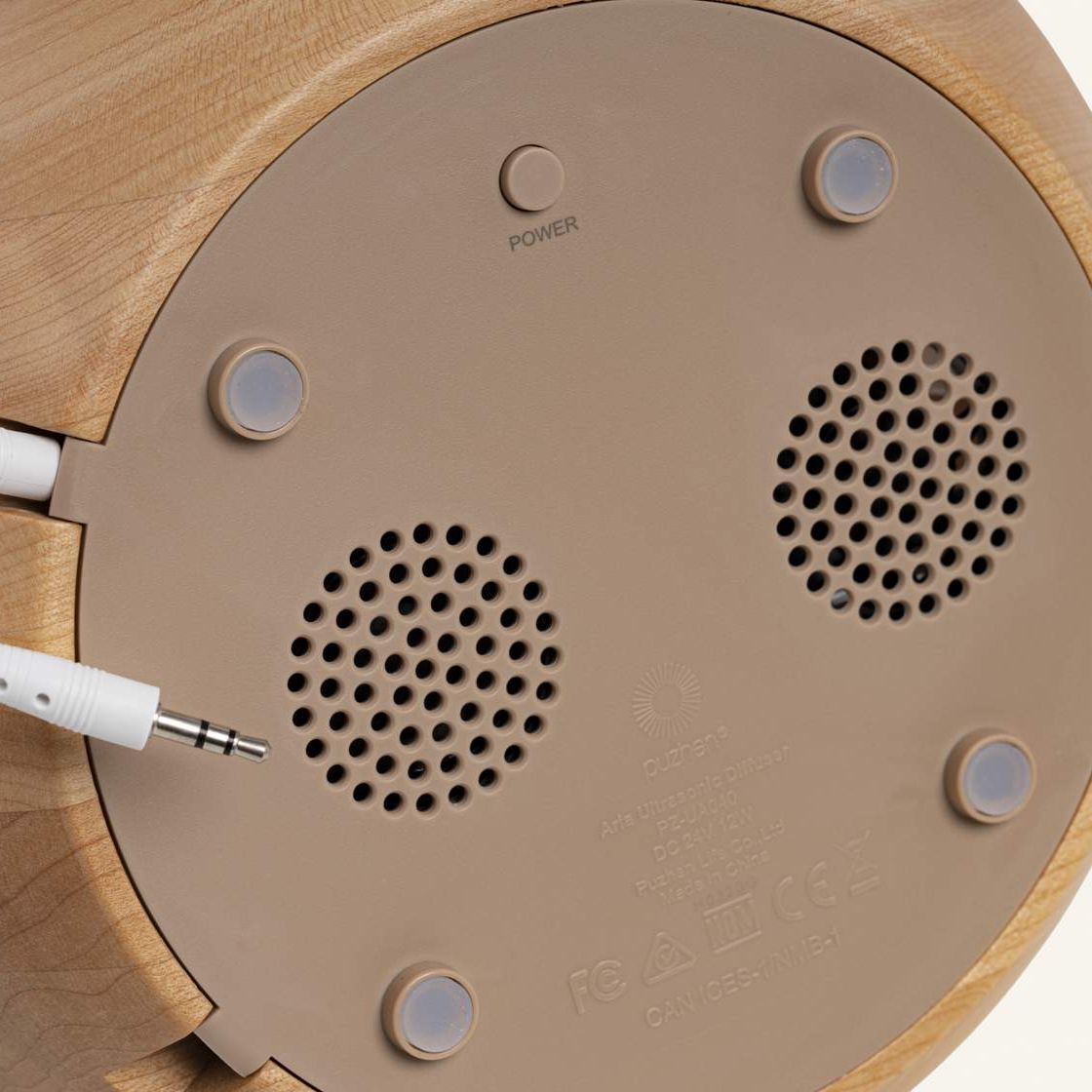
Keep the fan intake at the bottom unobstructed to allow for proper airflow.
There are some MUST KNOWS when cleaning your diffuser!
Never use a corrosive detergent to clean the ultrasonic plate.
If cleaning has not been done regularly enough, fill up the reservoir about 1 inch deep with rubbing alcohol and let it soak for 4-8 hours.
Do not use aerosol sprays, solvents, or abrasives to clean the plastic housing.
Lightly vacuum, blow on the fan intake opening or wipe with a clean, dry cloth.
HAVE A FAULTY DIFFUSER?
It is unavoidable when our diffuser requires some additional attention when trouble arise. Follow these simple troubleshooting steps to identify the problems and get it fix in no time.
It is important to keep the fan intake at the bottom unobstructed to allow for proper airflow. This prevents overheating and allows for optimal mist levels.
Lightly vacuum out the fan intake on the bottom of the diffuser to clear it of any debris.
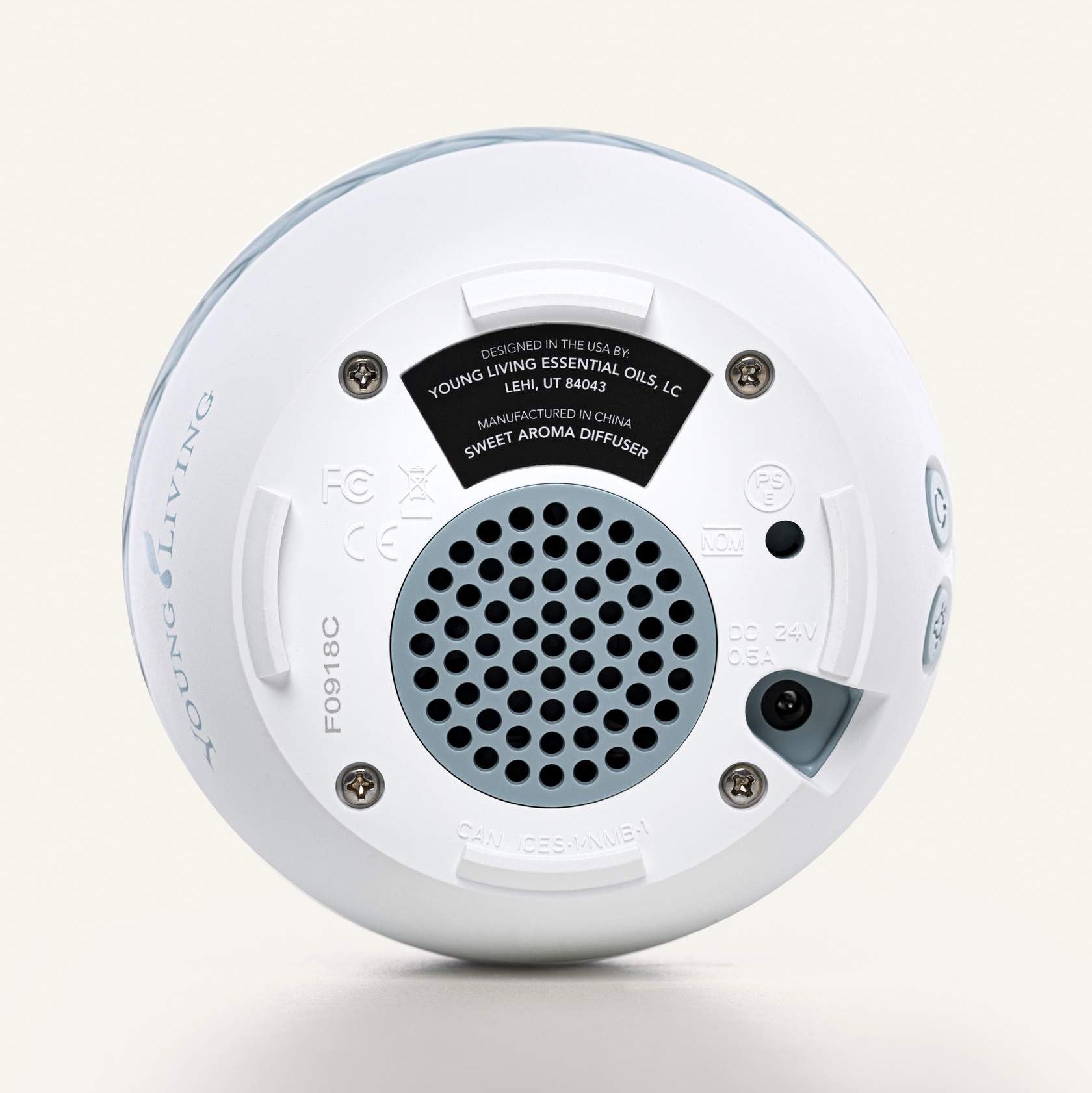
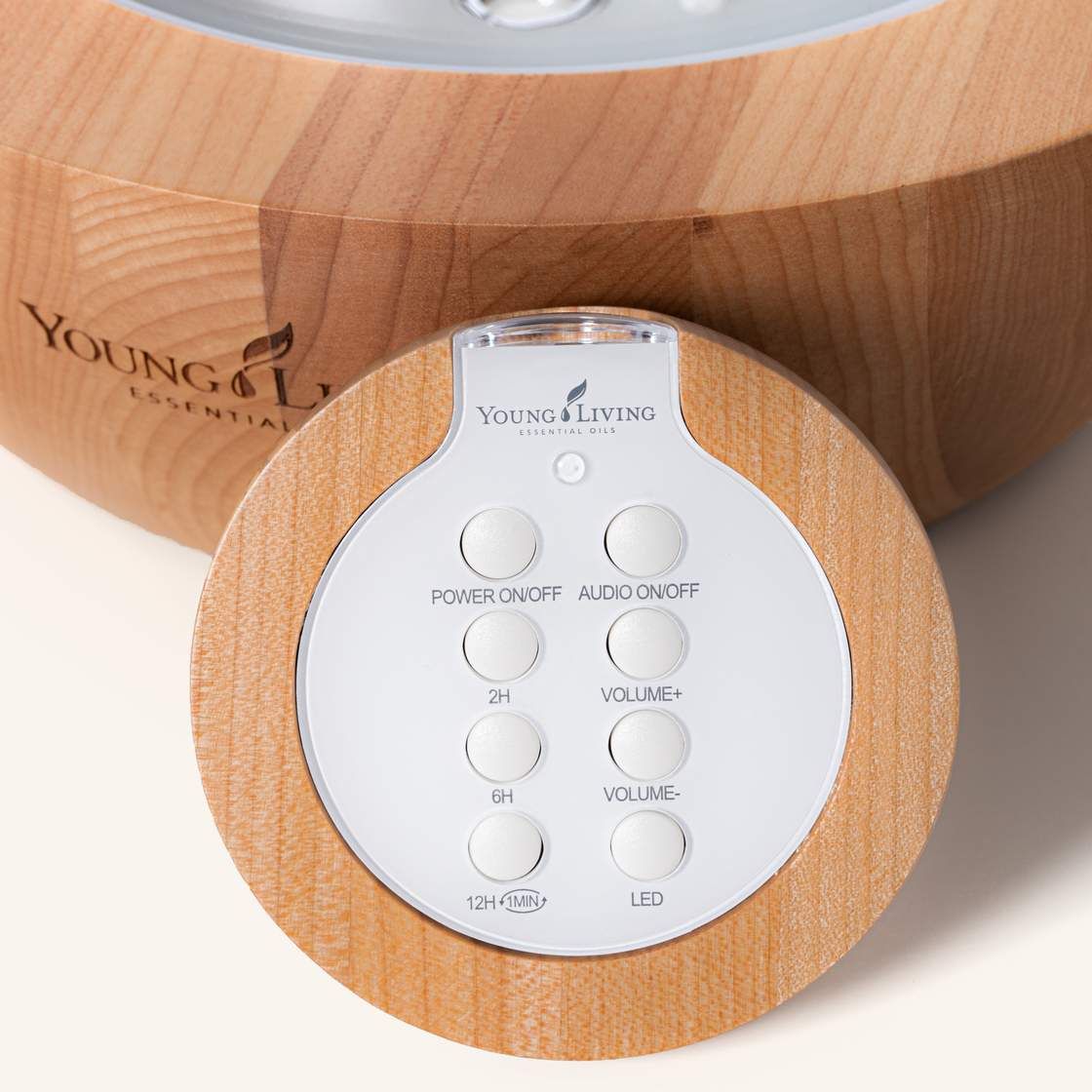
Is the remote sensor on the diffuser lined up and visible to the remote?
Test the remote
Point the end of the remote at a digital camera, such as on a smart phone.
While looking at the remote through your camera, press any button on the remote.
You should see a red flash while doing this. Look for a faint white or purple flash emitting from the red flash. This needs to be seen through a camera as the flashing infrared light is invisible to the naked eye.
Reset the diffuser by holding down the power button and unplug the diffuser. Continue to hold the power button down while the diffuser is unplugged for 10 seconds.
After 10 seconds, while still holding the power button down, plug the diffuser back in.
The light should flash, at that point let go of the power button.
Pour water in the diffuser and try to turn it on. Once it is on make sure the water is bubbling before adding oil.
If Reset doesn’t fix the problem:
Plug the diffuser into different outlets in different rooms – The power issue may be with the outlet and the breaker it is connected to.
Check to see if there is any visible damage to the power adapter – If there is any exposed wire, cracks in the plug, or the prongs, the power adapter may be damaged
Clean the ultrasonic plate – Follow the Clean It – Ultrasonic Plate steps.
DOES NOT TURN ON (NO POWER)
Plug the diffuser into different outlets in different rooms.
Check to see if there is any visible damage to the power adapter.
There should be at least half an inch of water in the reservoir, but not filled past the max fill line to ensure the diffuser can operate properly.
2. When and how was the last cleaning?
Diffusers should be cleaned frequently. Follow the cleaning steps in Clean It – Ultrasonic Plate.
3. Tightening up the ultrasonic plate might be needed.
The ultrasonic plate can be tightened using a medium-sized slotted (flathead) screwdriver, a small coin, or the key that came with a replacement.
If the plate is not tightly installed it cannot vibrate properly, and the mist output will be decreased.
If there is still water left over in the reservoir after completing these steps and a full operation cycle, a replacement ultrasonic plate will be needed.
If the diffuser continues to leak after letting it sit turned off, the diffuser will need to be replaced.
If the diffuser does not leak after letting it sit turned off, the diffuser is not leaking
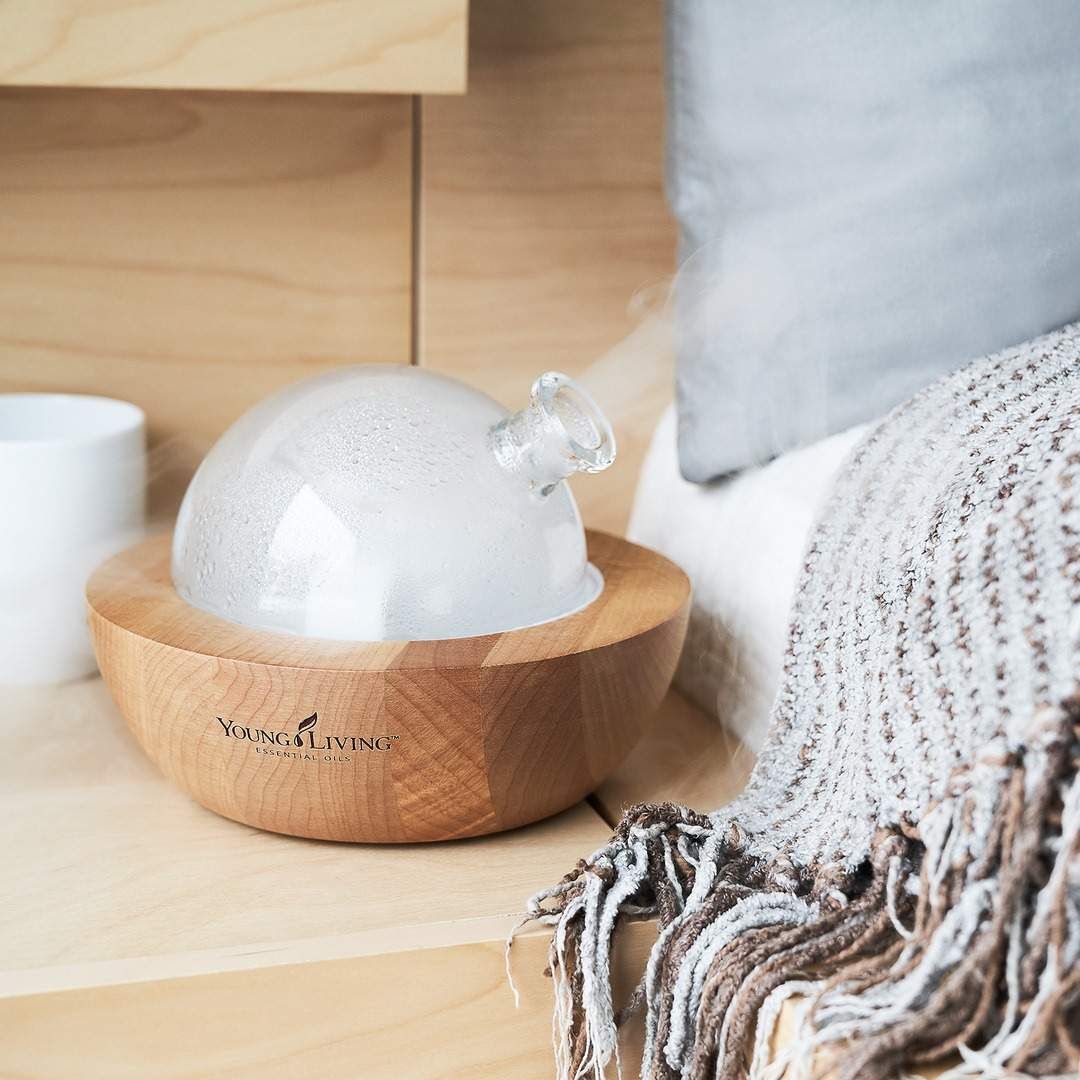
This is due to the water is condensing on the diffuser cover or the surface on which the diffuser is set. This is a normal physical reaction anytime water vapor is introduced to the air, similar to how water fogs over a mirror or glass when a shower is running.
The fan intake on the bottom of the diffuser should be cleaned at least monthly (more often depending on frequency of use). This prevents excessive dust buildup on the fan and motor, which prevents overheating and allows for maximum mist output.
To clean the fan, lightly vacuum out the fan intake on the bottom of the diffuser to clear it of any debris.

If cleaning the fan does not help reduce the sound, and it has a “deep grinding noise”, this is the bearing in the fan and the fan is dying.
If the diffuser is still within warranty, kindly send in for a replacement.
NEED HELP WITH FAULTY DIFFUSER?
Our helpful member services agents are here to help you out with your faulty diffuser and assist in necessary replacement if warranty is applicable.
Here are the simple 4 steps to guide you through.
Step 1
STEP 1: TROUBLESHOOT
You can first carry out a preliminary troubleshooting to identify the faulty presence.
The troubleshoot guide is available in the product manual, or you can download it from the Digital Library.