Something safe to know
Before diving into the world of essential oils, it’ always handy to know some safety tips in ways of using and handling a bottle of living energy.
There’s so much to learn about our amazing essential oils—how powerful they are and how each one provides the body with so many benefits!
First, let’s take a few minutes to touch on safety and usage tips. Essential oils are very potent, so it’s important to know how to use them correctly.
Dilution
Dilution recommendations can be found on the back of each essential oil bottle and should be followed, especially if you’re new to essential oils or using them on children. Diluting essential oils means mixing them with a carrier oil.
Carrier oils are plant-derived oils, such as almond oil or coconut oil, that ensure that essential oils applied topically are comfortable to the skin.
Dilution is the Safety Key
Dilution is a process where carrier oil or plant oil is added into essential oil to change the concentration of the essential oils but not the benefits. There’s a misconception that dilution will reduce the efficacy of essential oil. Applying with a carrier oil helps to lock the volatile compounds of essential oil into our skin efficiently due to it’s heavier molecular weight.
Dilution is exceptionally helpful when using “Hot” oils such as Oregano, Thyme, Cinnamon Bark, Clove, Thieves or Panaway, especially when you have sensitive skin, or applying essential oil onto part of body with thinner skin layer.
When it comes to oiling our little ones, always remember that their skin is more sensitive compare to us adults. Therefore, heavy dilution is required to ensure our little one enjoys the benefits of essential oil just like how we love it. or applying to little ones••Apply with carrier oil helps to lock the essential oil into skin
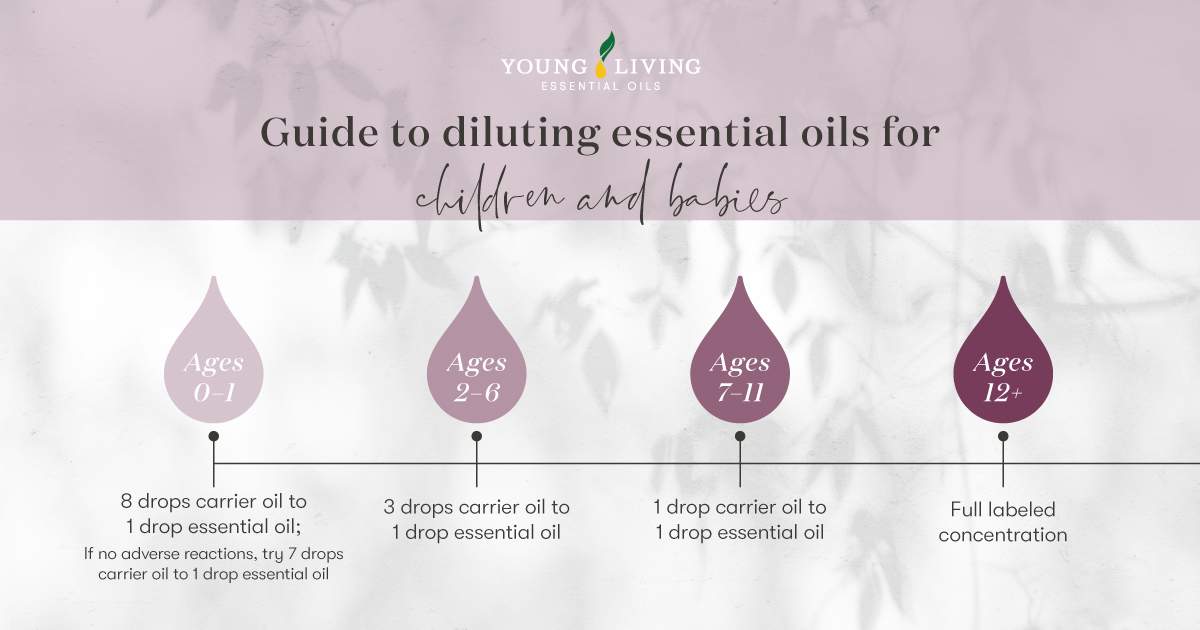
Always follow the direction of usage from respective essential oil label, and multiply the dilution ratio base on this chart for children and babies application.
Wondering what is carrier oil?
We got you! Click onto the video and learn more about carrier oil and dilution.
TIPS TO REMEMBER

There’s so much to learn about our amazing essential oils—how powerful they are and how each one provides the body with so many benefits!
First, let’s take a few minutes to touch on safety and usage tips. Essential oils are very potent, so it’s important to know how to use them correctly.
Step 1
READ YOUR LABEL
Always follow label instructions. Remember to start low and go slow.
Step 2
PATCH TEST
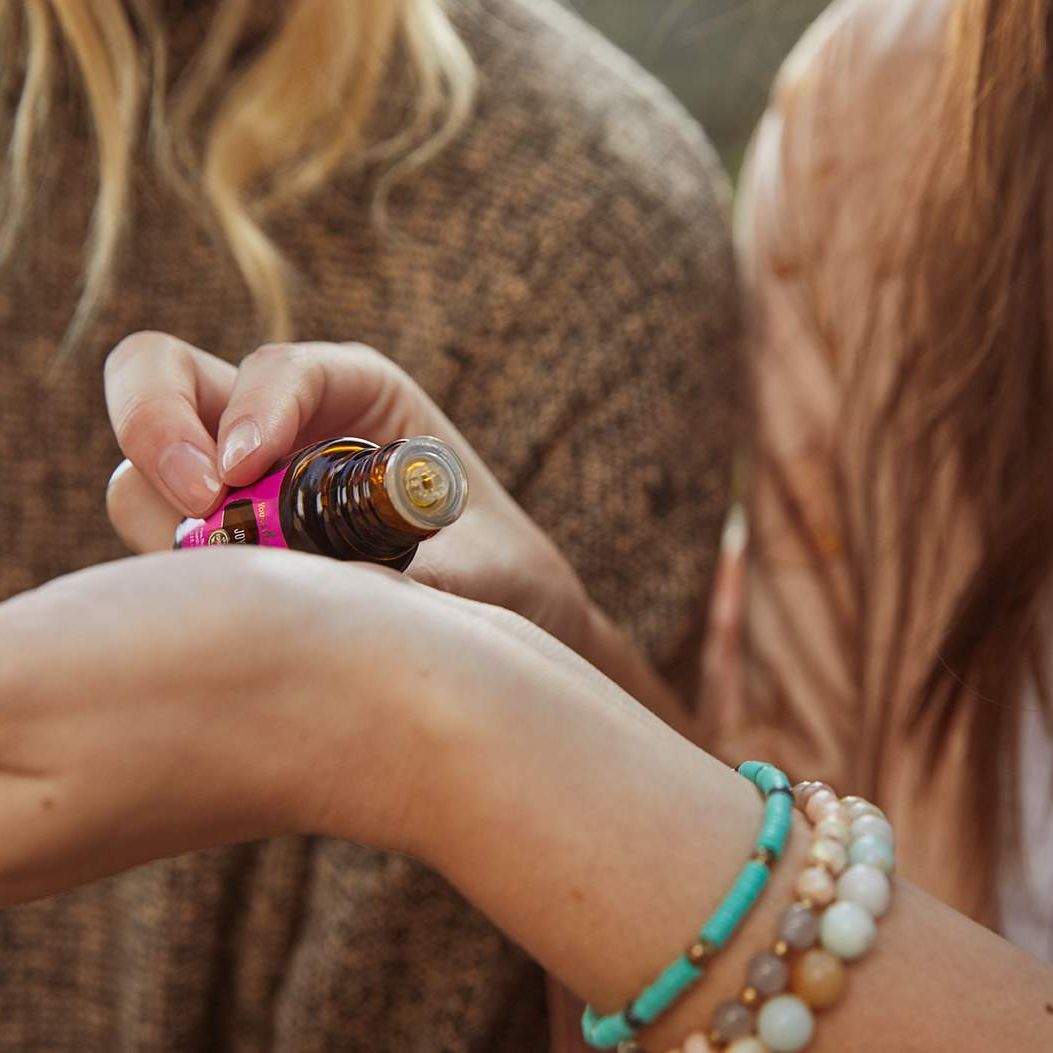
If you have sensitive skin, are new to essential oils, or are using oils you haven’t used on your skin before, we recommend doing a patch test prior to use. A patch test is especially beneficial when using essential oils that produce a warm or tingling sensation on the skin.
Essential oils from herbs and spices—such as Cinnamon Bark, Peppermint, and Oregano—are examples of these “hot” oils.
Patch test instructions: Apply 1-2 drops of essential oil to the forearm. Reactions usually occur within 5-10 minutes.
If you experience any adverse reaction, apply a carrier oil on the affected area as often as needed instead of soap and water.
It’s important to remember that oils are fat soluble. This means they’re attracted to fat and repel water. The skin is made up of fat, which attracts essential oils. If an oil causes any type of discomfort, washing with water will only drive the oil deeper into your skin.
Step 3
KEEP AWAY FROM SENSITIVE AREAS

Do not apply essential oils inside sensitive areas such as the eyes, ears, and other soft-tissue regions.
Step 4
HOT OILS
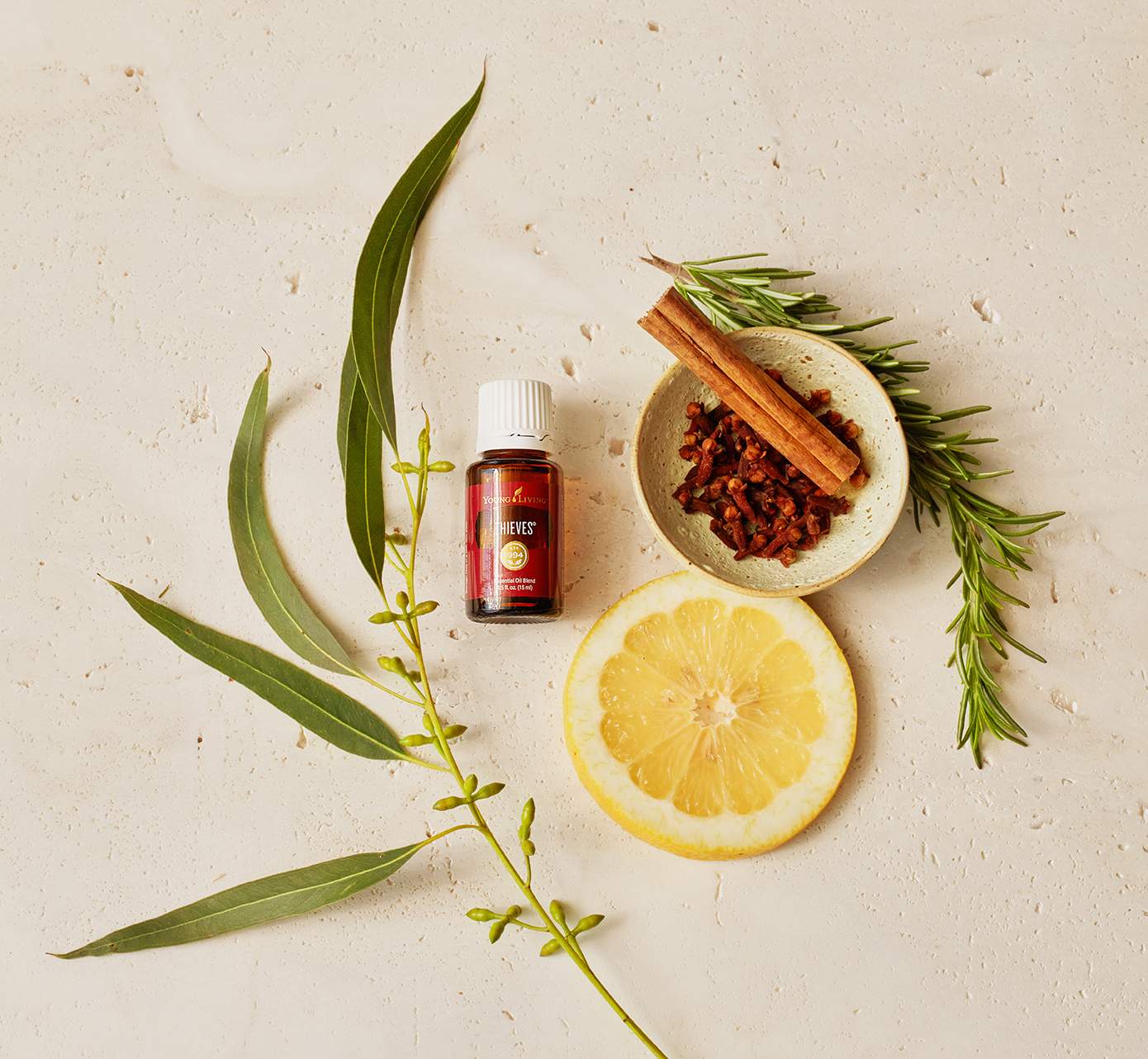
There is a group of essential oil with warm and spicy aroma, and they might cause a hot, warm or burning sensation when applied to the skin.
Always do a patch test prior to first use and dilute these essential oils with carrier oil before applying onto skin. In case if discomfort occurs, further dilute with carrier oil.
Here's some hot oils to watch out: Cinnamon Bark, Clove, Ginger, Black Pepper, Oregano, Thyme, Peppermint, Eucalyptus, Thieves, Raven, Panaway
Step 5
PHOTOSENSITIVE

Some essential oils, particularly those that belong to the citrus family, cause photosensitivity. Please check labels for warnings like:
-
Take precaution
-
Dilute before application
-
Wait 24-48 hours before exposing skin to the sun or use at night
Step 6
STAINING
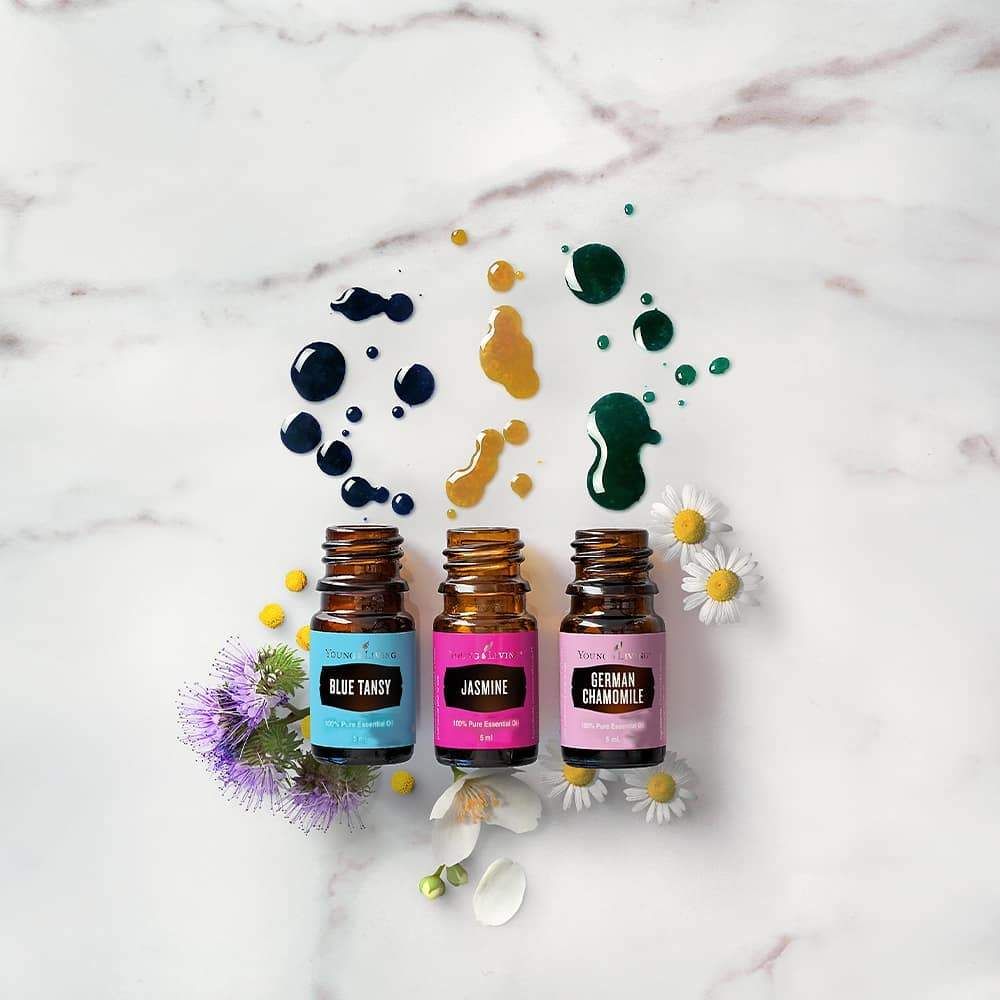
Although most essential oils do not typically stain clothes, certain essential oils has tint of colour and might stain on skin, counter surfaces, clothes and even diffuser.
Here's how you can minimize staining of essential oil:
-
Allow the oil to absorb fully before putting clothing on to minimize contact
-
Dilute oils with carrier oil before applying onto skin
-
Clean the diffuser after every use with staining essential oil
Some colourful oils to keep in mind: Blue Tansy, German Chamomile, Jasmine, Myrrh, Citrus Oil, Peace & Calming, Valor
Step 7
PREGNANT & NURSING

If you’re pregnant or nursing, consult your health care provider about using essential oils.
SUMMARY
Always consult your health care provider and follow label instructions. Listen to your body and use what you are comfortable with. Be smart, make empowered decisions, and use common sense.
Kitchenware & Houseware
If you add oils to a DIY linen spray or face serum, make sure to use a glass or stainless-steel bottle because oils will degrade plastic. Use caution when using essential oils on any soft, plastic surface.
Essential oils are safe to use with ceramic too!
Certain essential oils are known for their thicker viscosity such as Myrrh, Vetiver, Patchouli, Thyme and Jasmine. Be patient and allow the oil to slowly drop out from the bottle.
These oils tends to solidify and harden along time causing difficulty in opening the cap from the bottle. Always wipe clean the lid of essential oil bottle after every use with a clean cloth with some carrier oil to avoid crystallization of the bottle cap.
If you find it difficult to open up a bottle, place the essential oil bottle upside down in a bowl of warm water to dissolve the hardens essential oil. Wipe the cap dry then twist it open.
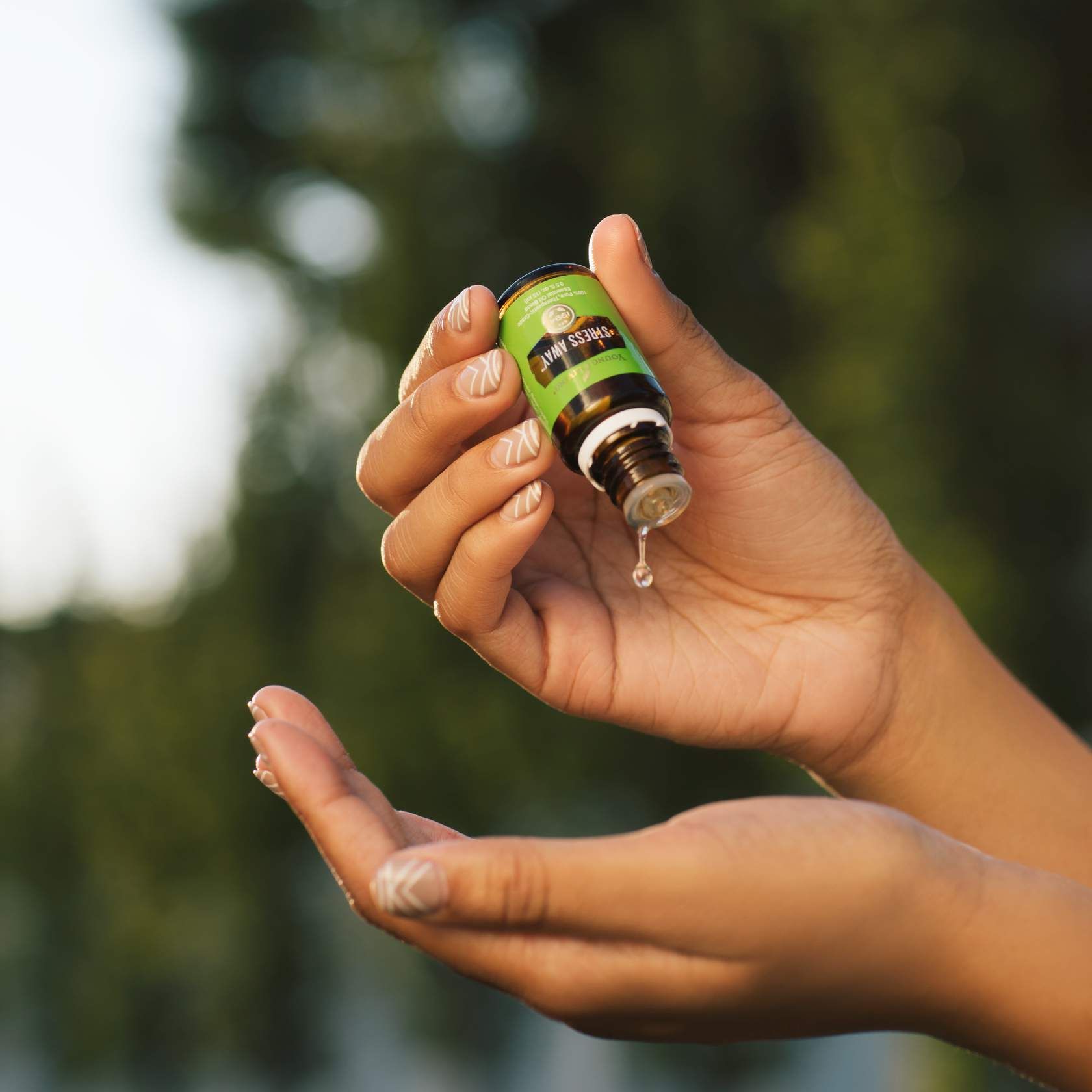
Always seal the little amber bottle tightly after every use. Because essential oils are volatile, heat and UV rays sensitive, they are best kept in cool dark place without exposure to direct sunlight.
Always store the bottle in upright position to prevent spilling or crystalization of the cap. You can also safely store your essential oil bottles in the fridge, but it’s not necessary.