How are essential oils obtained?

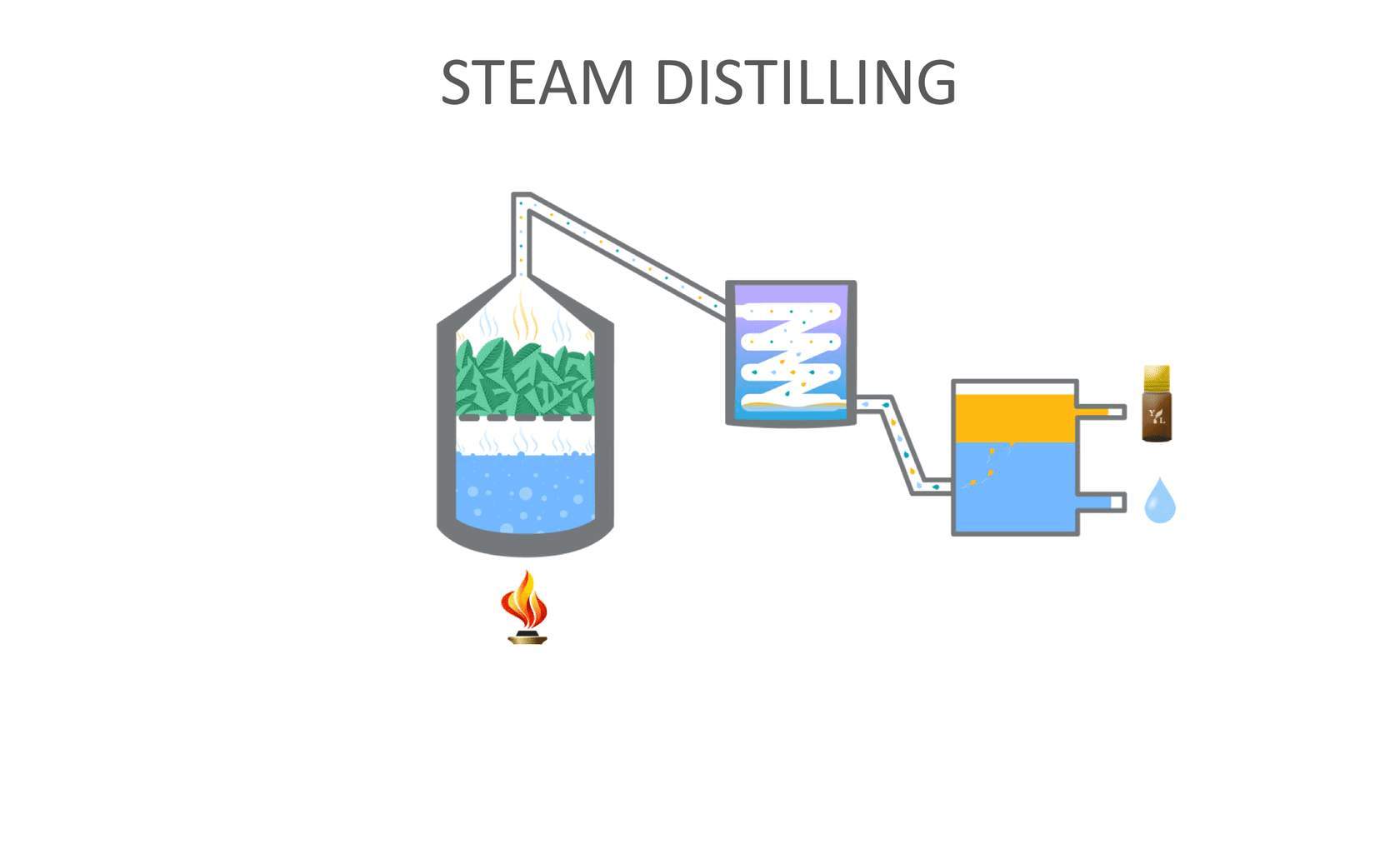
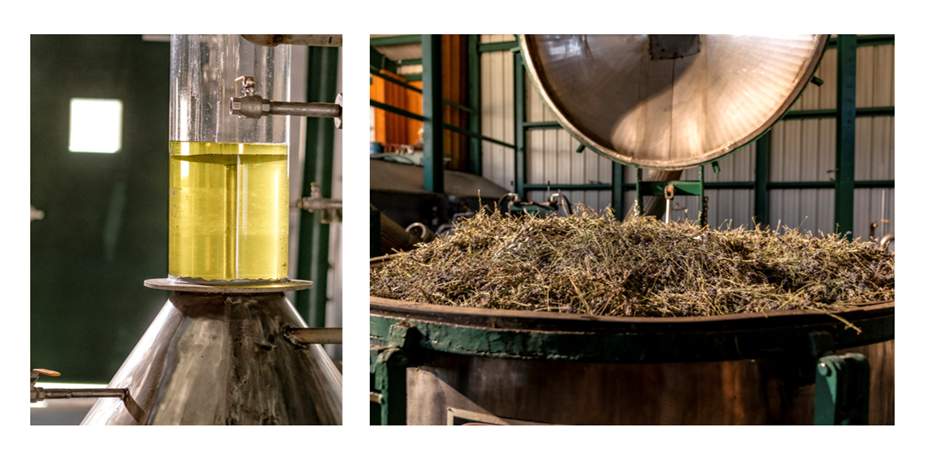
Extracted through careful steam distillation, resin tapping, and cold pressing, the purest essential oils are far more powerful than the botanicals from which they’re derived. Let’s dive deeper into each extraction process.
Essential oil constituents are easily destroyed by too much heat or pressure. That’s why we use gentle techniques to extract our oils to avoid causing any damage or loss of potency. Variation in temperature or pressure alters the oil. The beneficial compounds are just as powerful in the essential oil bottles as they are in their plant source when distilled properly. Residual plant material is then composted to create fertilizer.
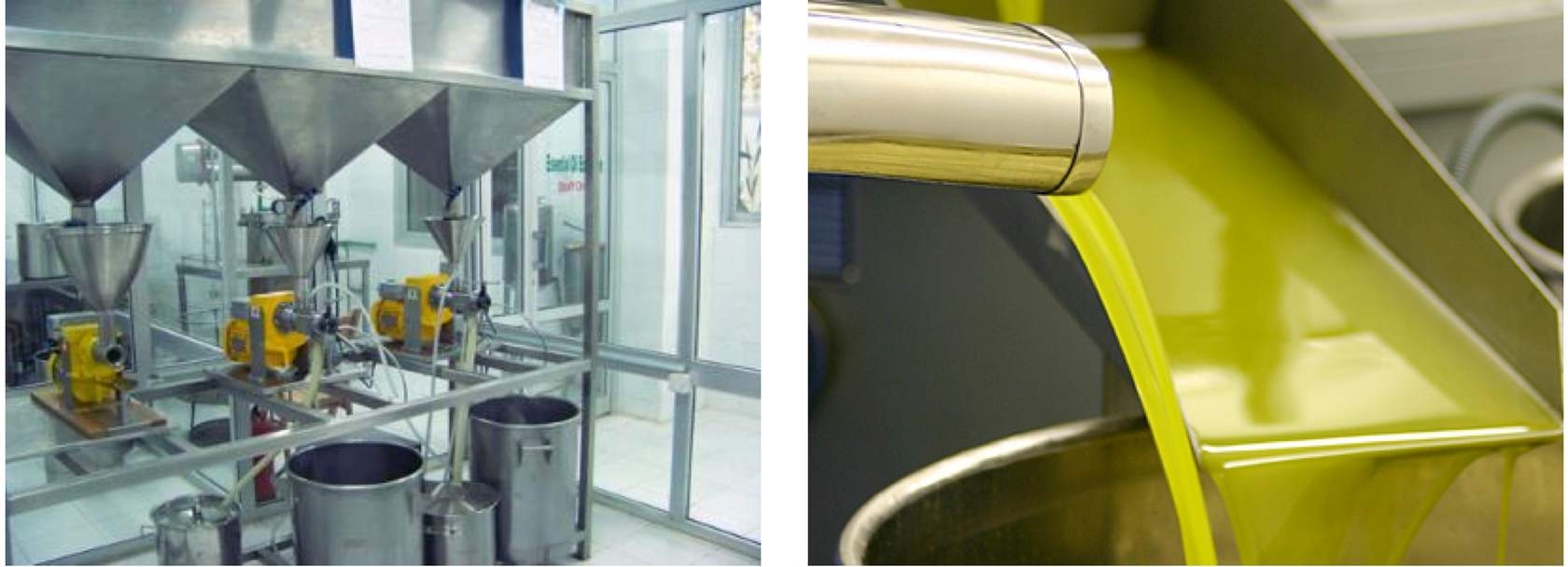
During cold pressing, the rind of the citrus fruit is placed in a container with spikes that puncture the peels while the device rotates. Puncturing the rinds allows the release of essential oil, which is then collected and separated from the natural juices. The rind of the fruit is pressed, and the essential oil is separated from the fruit.
We use this process to obtain citrus oils because using other methods can break down and damage the delicate citral molecules. Steam-distilled citrus oils may have a bitter aroma because the heat breaks down these molecules.
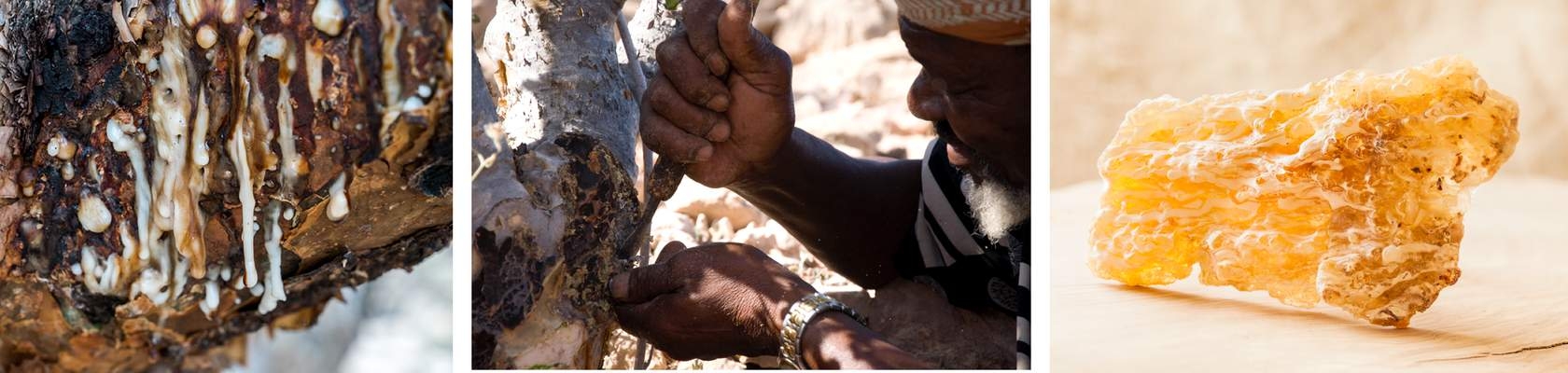
Over time, the tree produces a sap-like substance to heal the wound. The sap hardens into a resin that is then collected and taken for distilling.
If done properly, tapping trees causes no harm to the plant, and with our Seed to Seal® quality commitment, we comply with the most responsible and scalable sourcing practices available.
Click the numbers below to learn more about the Steam Distilling process.